Safety doesn’t happen by accident. The most effective safety cultures are built on consistent, meaningful conversations—brief but focused discussions that bring attention to real risks before work begins. That’s where a well-structured list of toolbox talks becomes indispensable.
These short safety meetings, typically lasting 10 to 15 minutes, are designed to address specific hazards, reinforce best practices, and foster a culture of accountability. Whether you’re managing a construction site, a manufacturing floor, or a field service team, leveraging a targeted list of toolbox talks ensures that safety stays top of mind—without slowing down productivity.
Below is a comprehensive, actionable list of toolbox talks, organized by category, with real-world examples and implementation tips to maximize impact.
Why a Structured List of Toolbox Talks Matters
Too often, safety meetings become routine—repetitive, uninspired, and ignored. A generic "talk about safety" won’t cut it. The power of toolbox talks lies in their specificity and timeliness.
When you use a curated list of topics tied directly to current tasks, weather conditions, equipment in use, or recent incidents, you make safety relevant. Workers are more likely to engage when they see the connection between the talk and their actual work.
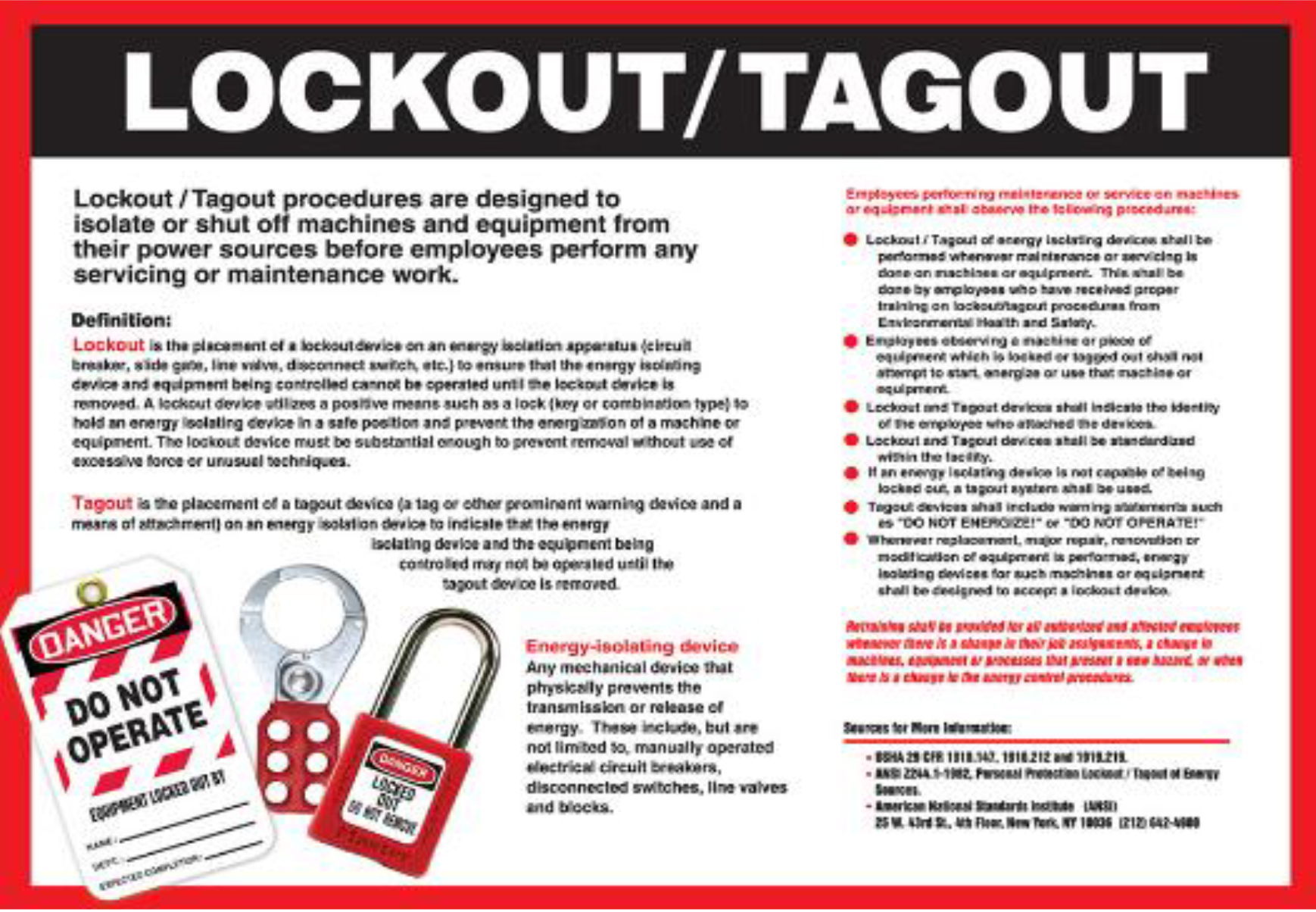
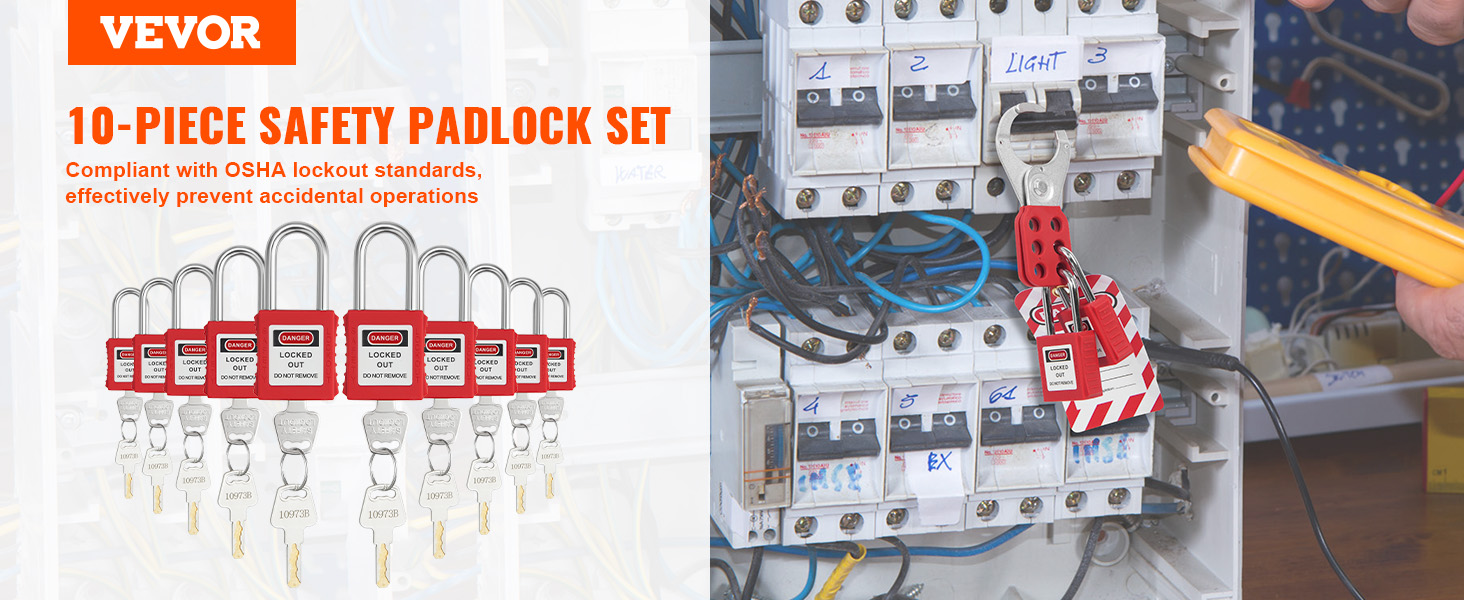
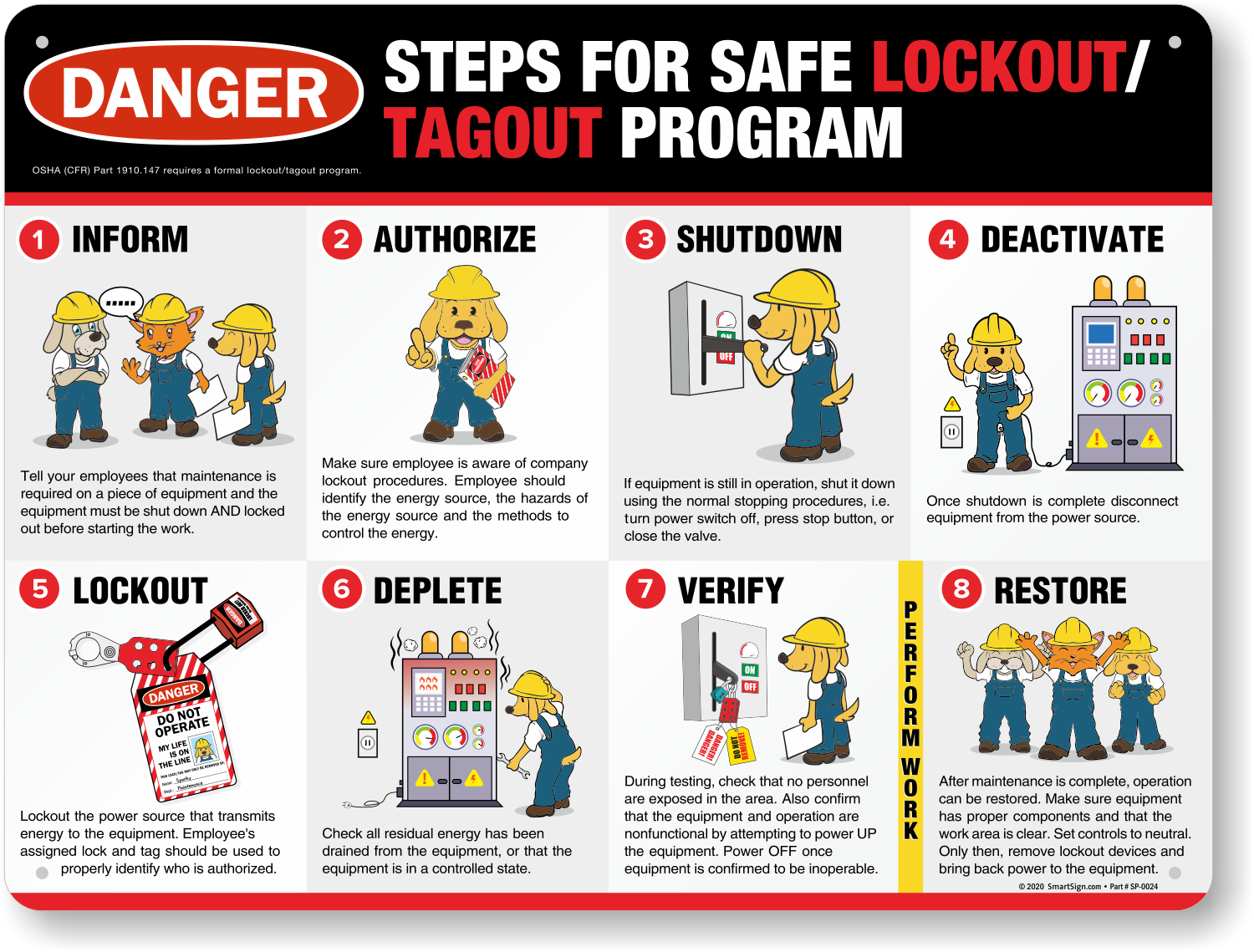
For example: - A roofing crew preparing for high-wind conditions should have a talk on fall protection and securing materials. - A warehouse team introducing new forklifts should review load stability and pedestrian separation. - An electrical team starting a renovation job should discuss lockout/tagout (LOTO) procedures.
The right topic at the right time turns passive listeners into active participants.
Common Topics in a List of Toolbox Talks
A strong list of toolbox talks covers both evergreen safety themes and situation-specific hazards. Below are key categories, each with practical examples:
#### 1. Personal Protective Equipment (PPE) - Hard hats: when and where they’re required - Eye protection during grinding or chemical handling - High-visibility clothing for roadside work - Proper fit and maintenance of respirators
Real mistake: A worker skipped wearing safety glasses during a quick repair—metal shavings caused a corneal abrasion. A 10-minute PPE talk could have prevented it.
#### 2. Fall Protection - Guardrails vs. harnesses: when to use which - Inspecting lanyards and anchor points - Warning lines for low-slope roofs - Ladder safety: the 4:1 ratio and three-point contact
Use case: Before any work above 6 feet, conduct a fall protection talk—even if it’s routine. Complacency kills.
#### 3. Electrical Safety - Recognizing damaged cords and plugs - GFCI use in wet environments - One-hand rule when testing live circuits - Arc flash awareness and PPE requirements
Pro tip: Pair this talk with a visual inspection of all electrical tools on site.

#### 4. Hazard Communication (HazCom) - Reading Safety Data Sheets (SDS) - Understanding GHS pictograms - Proper labeling of containers - Spill response for common chemicals
Workplace example: A janitor mixed bleach and ammonia, creating toxic fumes. A HazCom talk would have clarified incompatibilities.
#### 5. Lifting and Material Handling - Proper lifting techniques: bend knees, keep back straight - Team lifting protocols - Use of dollies, hoists, or forklifts - Avoiding overhead lifting without backup
Misconception: "I’ve done it a thousand times" often precedes injury. Reinforce technique regularly.
#### 6. Equipment Safety - Pre-operational checks for power tools - No modifications to safety guards - Reporting defects immediately - Operator training verification
Checklist idea: Turn this into a daily walk-around with crew leads.
#### 7. Confined Space Entry - Atmospheric testing procedures - Attendant requirements - Rescue plans and equipment - Permitting process
Critical note: Even if entry isn’t planned, discuss what qualifies as a confined space—many don’t realize trenches or utility vaults count.
#### 8. Hot Work Safety - Fire watch requirements - Flammable material clearance - Welding curtain use - Extinguisher availability
Real incident: Sparks ignited sawdust 20 feet away—outside the obvious hazard zone. Talks should emphasize secondary risks.
#### 9. Ergonomics - Adjusting workstations for comfort - Repetitive motion injury prevention - Tool selection to reduce strain - Stretching routines before shifts
Tip: Rotate tasks when possible to reduce strain on specific muscle groups.
#### 10. Emergency Response - Evacuation routes and meeting points - First aid kit locations - Reporting injuries—no delays - Severe weather protocols
Use case: Conduct a surprise evacuation drill after the talk to test readiness.
How to Rotate Topics Effectively
A static list leads to repetition. Rotate topics based on:
- Seasonal risks: Heat stress in summer, hypothermia in winter
- Project phases: Excavation, framing, electrical rough-in
- Near misses or incidents: Address root causes within 24–48 hours
- New equipment or processes: Train before deployment
Create a 52-week plan using your list of toolbox talks. Assign themes by month: - January: Cold stress and winter driving - April: Spring cleanup and ladder safety - July: Heat illness prevention - October: Eye and hand protection during peak production
This proactive approach prevents burnout and keeps content fresh.
Best Practices for Delivering Toolbox Talks
Having a list isn’t enough. Delivery determines impact.
Do: - Hold talks at the start of the shift, on-site - Involve crew members—ask questions, assign mini-presentations - Use real photos from your site (not stock images) - Keep it under 15 minutes - Document attendance and topic
Don’t: - Read verbatim from a script - Conduct talks in the break room while people eat - Skip talks because “nothing’s changed” - Allow distractions (phones, side conversations)

Workplace insight: Workers remember stories more than rules. Share a real incident—preferably from your industry—to drive the point home.
Integrating Toolbox Talks into Safety Management
A list of toolbox talks should feed into your broader safety program:
- Track topics to ensure full coverage annually
- Link to training records: If you discuss fall protection, verify that harness training is up to date
- Audit effectiveness: Are incidents decreasing in areas you’ve recently covered?
- Solicit feedback: Ask crews which talks were most useful
Some companies use digital platforms to assign, deliver, and track toolbox talks. While paper sign-in sheets work, digital tools offer analytics and reminders—helping ensure consistency.
Sample Weekly Toolbox Talk Schedule
| Week | Topic | Trigger |
|---|---|---|
| 1 | Ladder Safety | Spring maintenance season |
| 2 | Hand Protection | New chemical handling tasks |
| 3 | Excavation Hazards | Trenching begins |
| 4 | Noise Exposure | Equipment upgrade in progress |
| 5 | Slips, Trips, Falls | Rainy season starts |
| 6 | Tool Inspection | After equipment return from rental |
| 7 | Heat Stress | First 90°F+ forecast |
This rotational model ensures coverage while staying adaptive.
Making the List Work for Your Team
The most effective list of toolbox talks isn’t copied from a template—it’s tailored.
Customize by: - Adding site-specific hazards (e.g., overhead power lines, crane swing zones) - Including client or regulatory requirements (e.g., DOT, OSHA, ANSI) - Reflecting your incident history (more frequent talks on high-risk areas)
Update the list quarterly. Remove outdated topics and add emerging risks—like drone operations or battery-powered equipment safety.
Also, train supervisors to lead talks confidently. A nervous leader reading from a sheet loses the room. Offer coaching or role-playing to build delivery skills.
Final Takeaway: Consistency Beats Complexity
You don’t need flashy presentations or expensive software. You need a solid list of toolbox talks, delivered consistently, with relevance and authority.
Focus on quality over frequency. One well-run, focused talk per week beats five rushed, generic ones.
Start with the topics above, adapt them to your operations, and make safety a daily dialogue—not an afterthought.
What should be included in every toolbox talk? Every session should cover the hazard, real-world consequences, control measures, and a call to action—such as checking equipment or reporting concerns.
How long should a toolbox talk last? Aim for 10 to 15 minutes. Long enough to be meaningful, short enough to maintain attention.
Who should lead toolbox talks? Supervisors, safety officers, or trained crew leads. Rotate when possible to build ownership.
Can toolbox talks reduce incidents? Yes—when targeted and consistent. They increase hazard awareness and reinforce safe behaviors.
Should toolbox talks be documented? Absolutely. Attendance records and topic logs support compliance and help track coverage.
Can toolbox talks be repeated? Yes, but space repetitions apart. Revisit critical topics like fall protection or LOTO every 3–6 months.
Are digital toolbox talk platforms worth it? For larger teams or multiple sites, yes. They improve tracking, ensure consistency, and reduce paperwork.
FAQ
What should you look for in Essential Toolbox Talks for Safer Workplaces? Focus on relevance, practical value, and how well the solution matches real user intent.
Is Essential Toolbox Talks for Safer Workplaces suitable for beginners? That depends on the workflow, but a clear step-by-step approach usually makes it easier to start.
How do you compare options around Essential Toolbox Talks for Safer Workplaces? Compare features, trust signals, limitations, pricing, and ease of implementation.
What mistakes should you avoid? Avoid generic choices, weak validation, and decisions based only on marketing claims.
What is the next best step? Shortlist the most relevant options, validate them quickly, and refine from real-world results.