Every year, workers suffer severe injuries—or worse—because machines activate unexpectedly during maintenance. It happens in factories, refineries, hospitals, and even office buildings. A technician opens a panel to fix a jam, and someone restarts the system from a control room. A mechanic clears a conveyor blockage, only for the line to power back on automatically. These aren’t rare anomalies. They’re preventable tragedies.
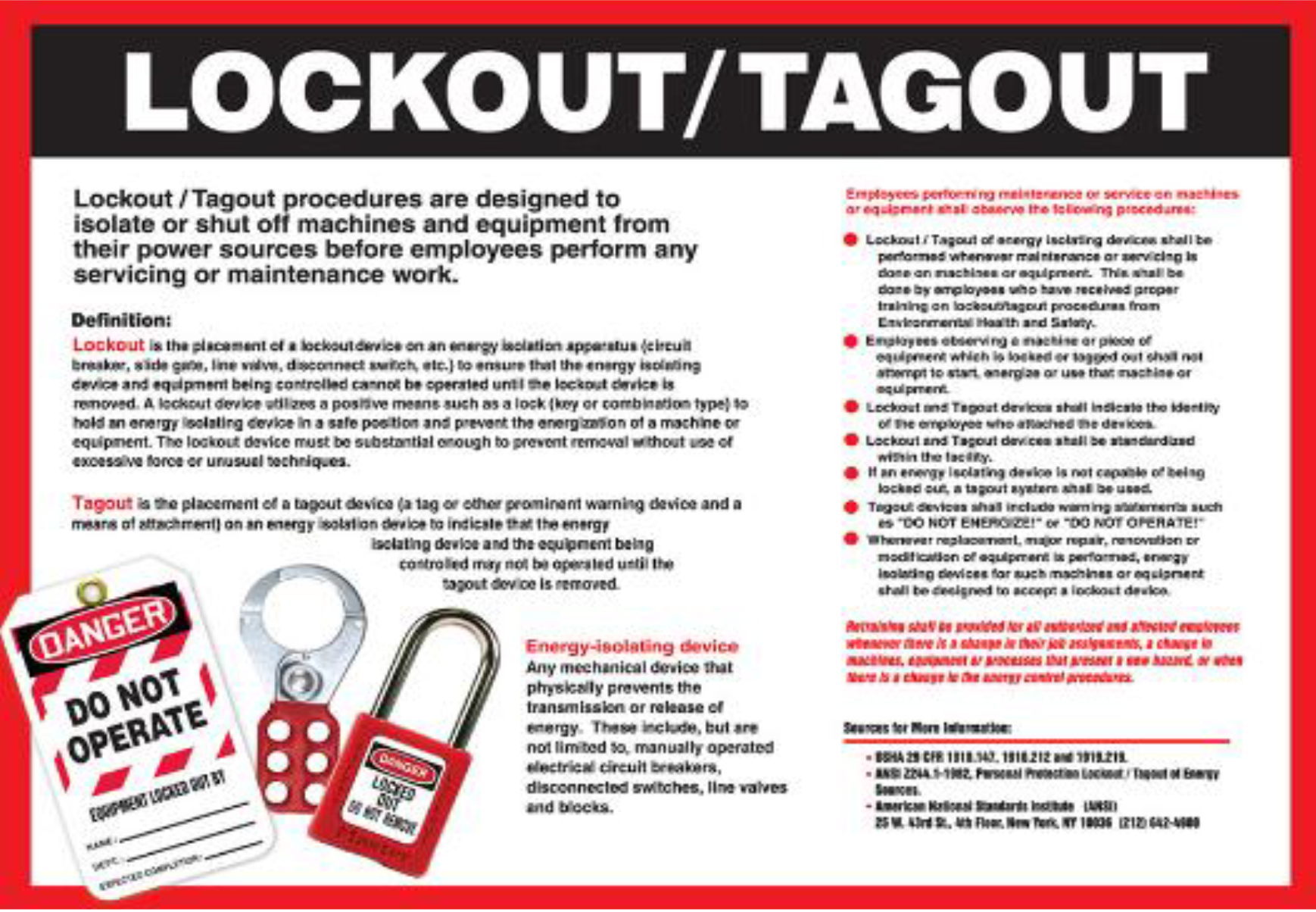
Lock out tag out (LOTO) is the standardized safety procedure designed to eliminate these risks. At its core, LOTO ensures that dangerous machinery is properly shut off and cannot be restarted until maintenance or servicing is complete. It’s not just a checklist—it’s a legal requirement, a cultural imperative, and a frontline defense in industrial safety.
This article breaks down how LOTO works, where it applies, and why half-measures cost lives. You’ll learn the real-world mechanics of effective energy isolation, common compliance failures, and how to build a program that works—not just on paper, but on the shop floor.
The Mechanics of Lock Out Tag Out
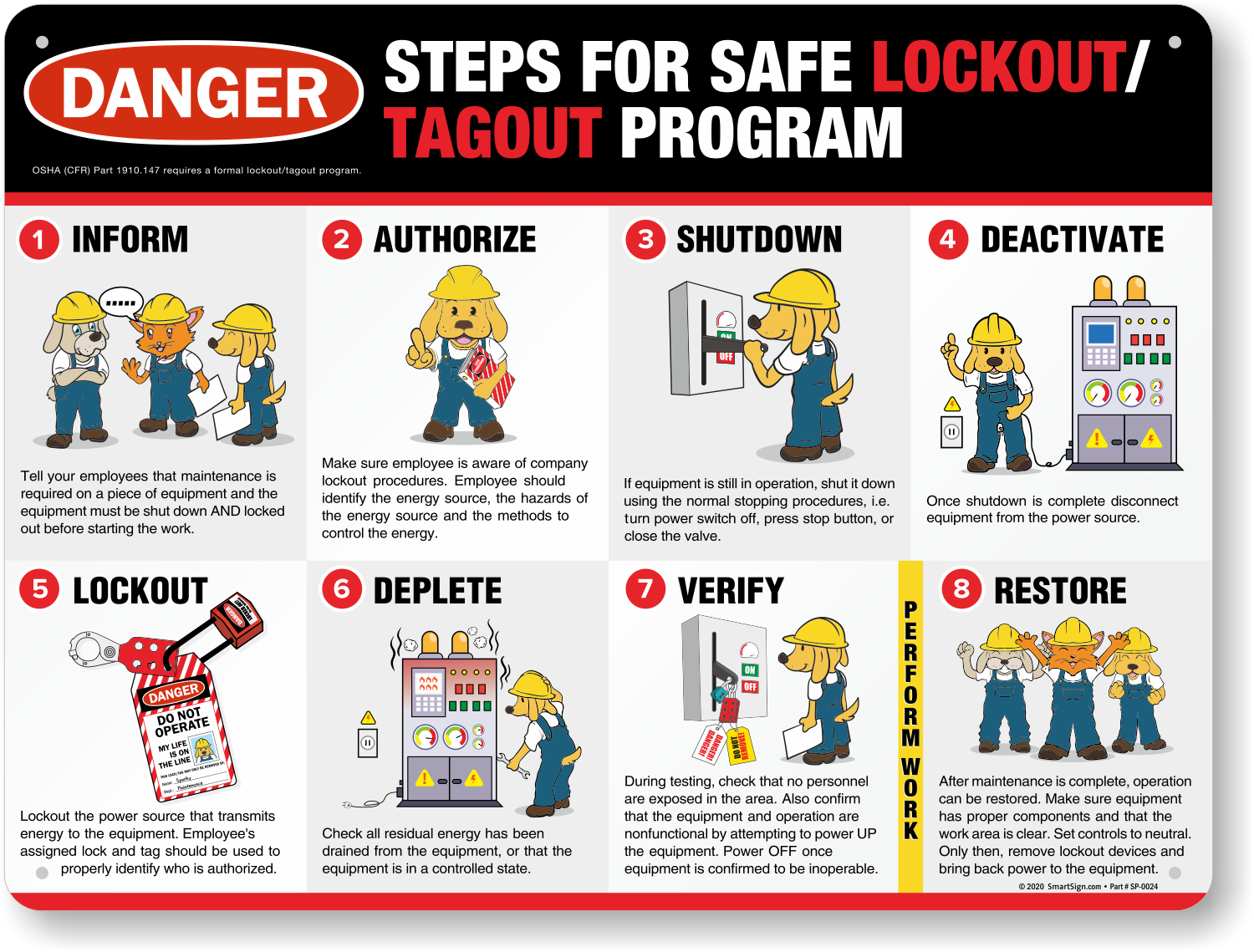
LOTO isn’t just about slapping a tag on a switch. It’s a sequence of deliberate, verified steps that disconnect energy sources and communicate risk. The process follows five critical stages:
- Preparation – Identify all energy sources (electrical, hydraulic, pneumatic, thermal, chemical, gravitational). Review the specific LOTO procedure for the equipment.
- Notification – Inform all affected employees that maintenance will begin and equipment will be shut down.
- Shut Down – Power down the machine using normal stopping procedures.
- Isolation – Physically disconnect energy sources (e.g., flip breakers, close valves, block moving parts).
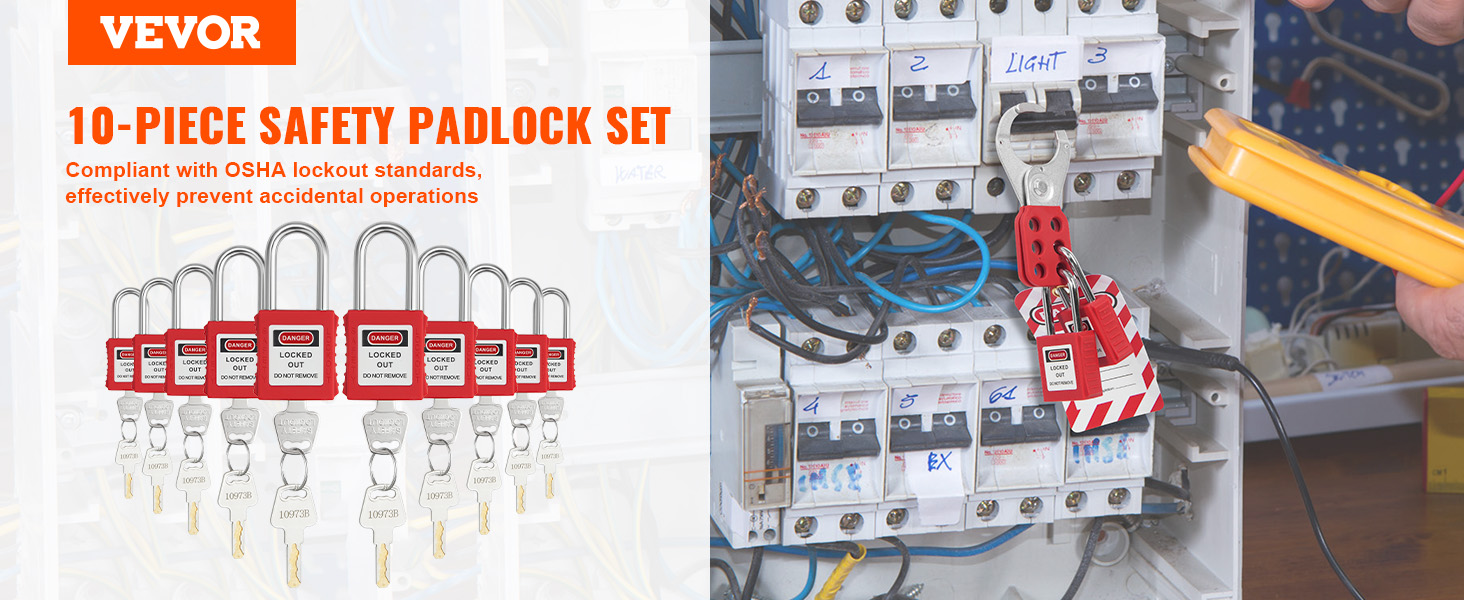
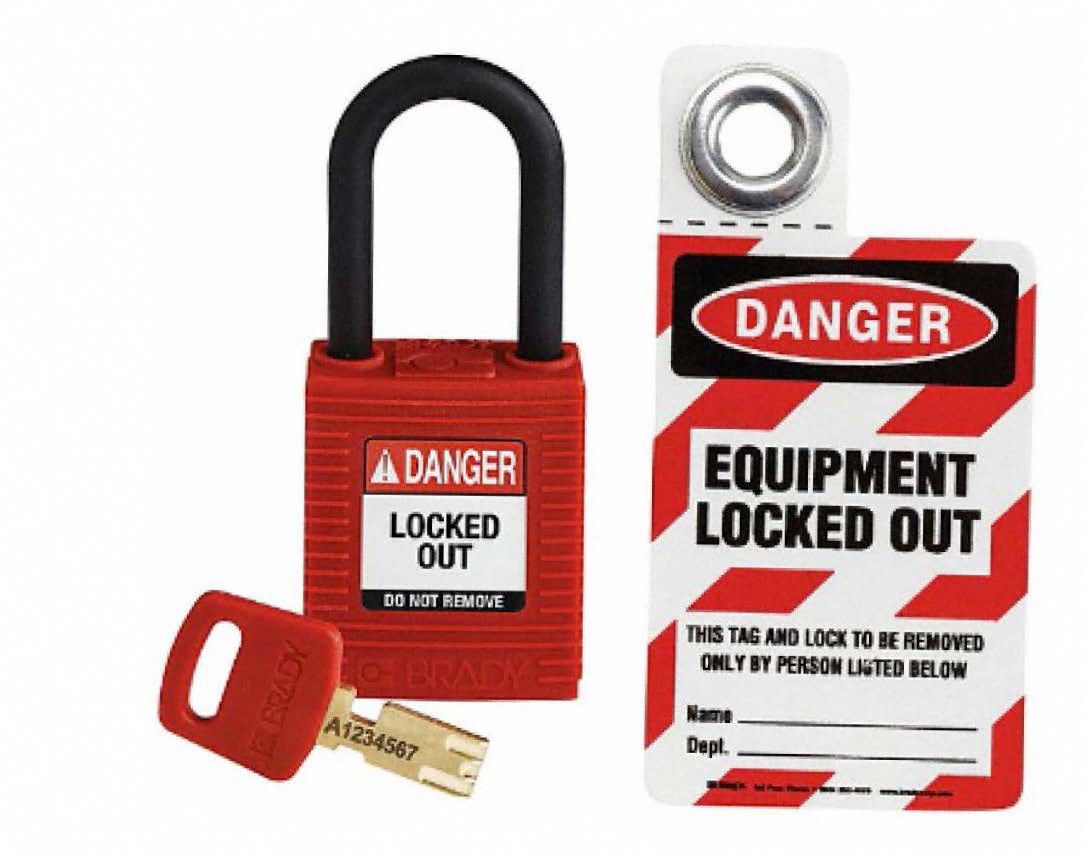
- Apply Locks and Tags – Attach personal locks and warning tags to all isolation points. Only the worker performing the service holds the key.
- Verify Zero Energy – Attempt to restart the machine (within safe limits) to confirm it cannot operate. Test for residual energy (e.g., capacitors, pressurized lines).
Each step is non-negotiable. Skipping verification is the most common error—and the deadliest. A 2022 OSHA report cited 27 fatalities linked to unverified isolation, including a worker killed when a conveyor restarted after a “quick fix” with no lockout applied.
Real-World Example: Conveyor System Maintenance
A packaging plant technician needs to clear a jam in a powered roller conveyor. Following LOTO:
- They review the site-specific procedure for that line.
- They alert coworkers and supervisors.
- They press the emergency stop and power down the drive motor via the main disconnect.
- They lock the disconnect with their personal padlock and attach a tag stating their name, department, and reason.
- They attempt to restart the system—nothing happens.
- They check for residual motion or pressure—none detected.
- Only then do they begin clearing the blockage.
Later, a coworker sees the conveyor off and assumes it’s safe to restart. They notice the lock and tag, read the information, and walk away. That tag just prevented a potential crushing injury.
Where LOTO Applies—and Where It’s Often Ignored
LOTO isn’t limited to heavy industry. It applies wherever hazardous energy exists. Common environments include:
- Manufacturing assembly lines
- HVAC systems in commercial buildings
- Laboratory centrifuges and autoclaves
- Agricultural machinery (e.g., grain augers)
- Medical imaging devices (e.g., MRI with cryogenic systems)
But gaps persist. A 2023 National Safety Council audit found that 40% of hospitals lacked LOTO procedures for sterilization units. In food processing, temporary workers often bypass locks during changeovers, assuming “it’s just five minutes.” That mindset is a compliance blind spot.
One dairy facility recorded three near-misses in six months—all during cleaning cycles. In each case, workers bypassed lockout because CIP (clean-in-place) systems were “automated and safe.” But when a technician opened a valve during a cycle, pressurized cleaning solution discharged, causing second-degree burns. The root cause? No LOTO for automated systems—a violation of OSHA 1910.147.
Common LOTO Mistakes That Risk Lives
Even facilities with strong safety records make critical errors. These aren’t theoretical—they show up in citations and incident reports:
1. Group Lockout Confusion Multiple workers servicing one machine must each apply their own lock. A frequent mistake: one supervisor locks the system and assumes coverage. But if a technician removes their lock prematurely, others remain at risk. Solution: use a hasp with multiple lock points. Each worker applies their own lock—even if working in tandem.
2. Tag-Only Systems Without Locks Tags are warnings, not barriers. Relying on tags without physical locks is illegal under OSHA standards unless no lock can be applied (and even then, extra measures are required). A paper tag can be ignored. A lock cannot.
3. Incomplete Energy Source Identification A machine may have hidden energy sources: a gravity-fed chute, a spring-loaded arm, or stored hydraulic pressure. Failing to identify all sources leads to incomplete isolation. Example: a maintenance worker clearing a press die was injured when the ram dropped—unaware that residual hydraulic pressure wasn’t bled off.
4. Using Master Keys to Remove Locks Supervisors sometimes carry master keys to “speed things up.” This violates the principle of personal control. Only the worker who applied the lock should remove it—unless emergency protocols are followed (e.g., documented attempts to contact the worker, witnessed removal by two authorized personnel).
Building a Compliant and Effective LOTO Program
A compliant LOTO program isn’t about checking boxes—it’s about embedding safety into daily workflow. Here’s how to build one that lasts:
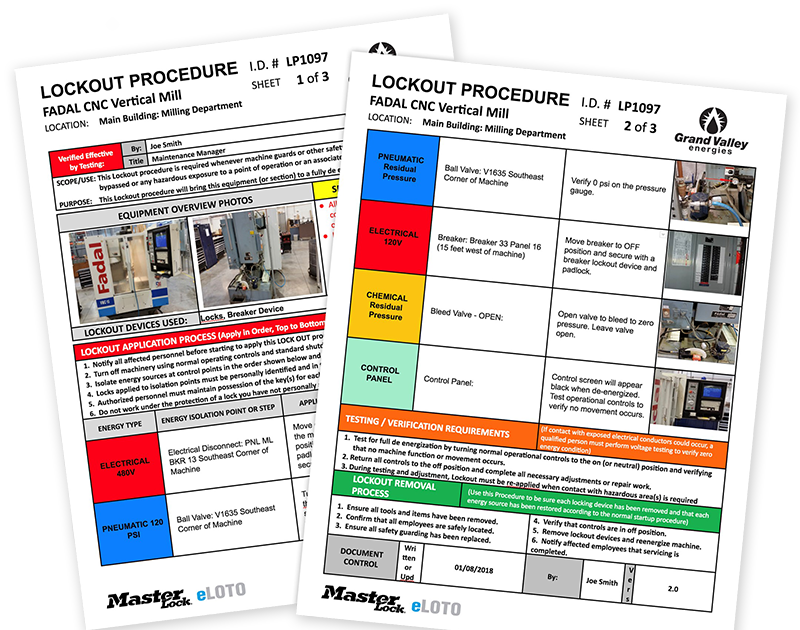
1. Documented Procedures for Each Machine Generic “electrical lockout” forms don’t cut it. OSHA requires equipment-specific procedures. Each should include: - Machine name and location - Energy sources and isolation points - Steps for shutdown, isolation, and verification - List of required LOTO devices
2. Employee Training—Not Just Once, But Routinely Initial training isn’t enough. Refresher courses every 12 months are mandatory. But better programs train quarterly, using hands-on drills. Include both authorized employees (who perform LOTO) and affected employees (who operate equipment).
3. Audits and Observations Conduct periodic audits—annually at minimum—of actual LOTO usage. Watch real maintenance events. Do workers follow procedure? Are locks applied correctly? Are tags filled out completely? One auto parts manufacturer reduced LOTO violations by 76% after implementing monthly audits with real-time feedback.
4. Proper LOTO Devices Use high-quality locks, tags, hasps, and lockout stations. Tags must be durable, weather-resistant, and include space for name, date, and reason. Locks should be standardized (e.g., red body, personal to the worker).
LOTO Devices and Tools You Can’t Work Without
The right tools make compliance practical. Here are five essential LOTO devices used across industries:
| Device | Purpose | Common Use Case |
|---|---|---|
| Safety Padlocks | Personal lockout at energy isolation points | Electrical disconnects, valve locks |
| Danger Tags | Communicate hazard and responsible personnel | Accompany every lock, with name and reason |
| Valve Lockouts | Prevent accidental opening of gas, steam, or fluid lines | Chemical plants, HVAC systems |
| Circuit Breaker Locks | Secure breaker handles in OFF position | Electrical panels, motor control centers |
| Group Lockout Hasps | Allow multiple workers to lock one point | Team maintenance on large machinery |
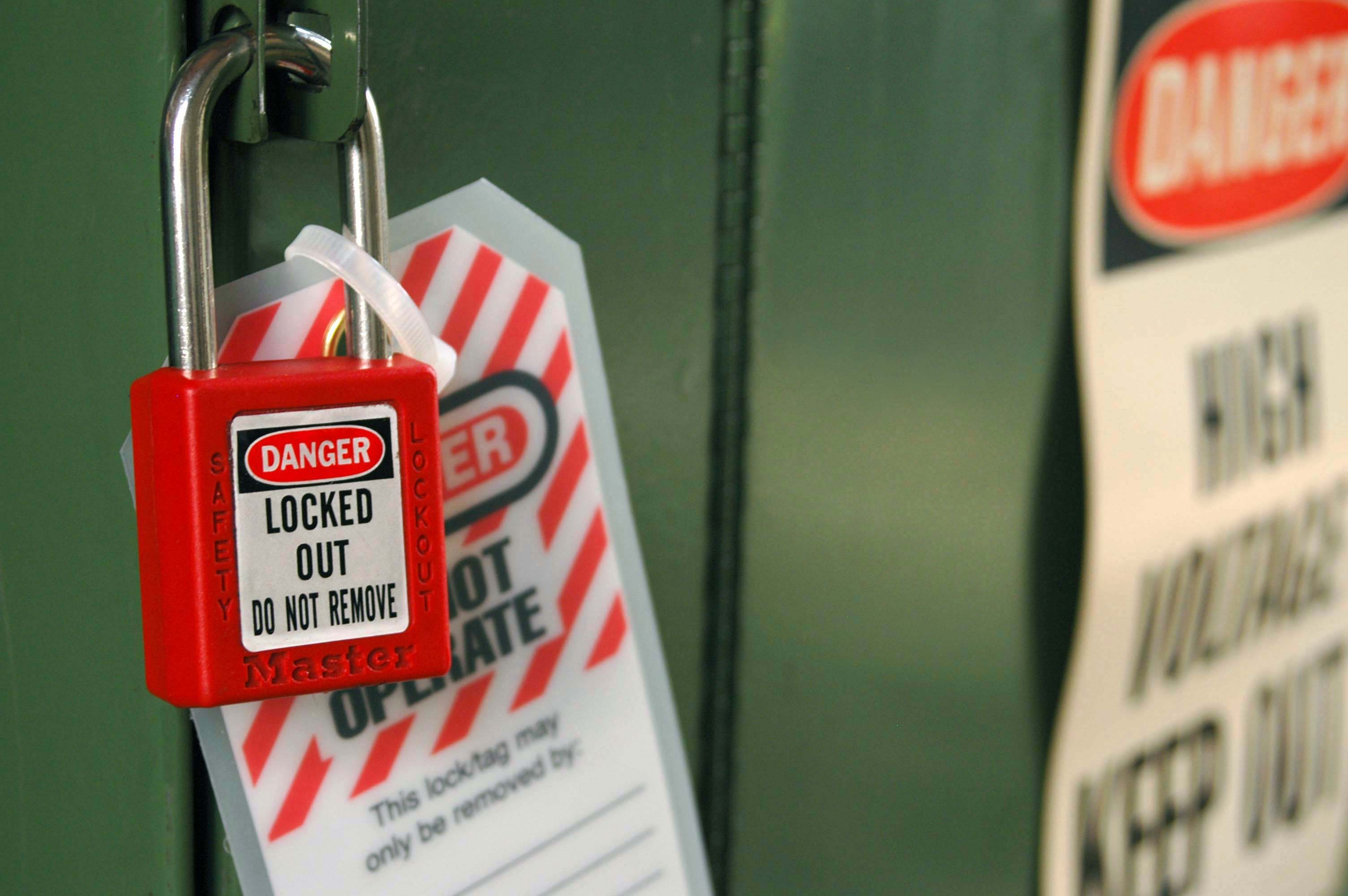
Avoid cheap plastic locks that shatter in cold environments. Invest in brass-core padlocks and UV-resistant tags. A $5 lock failure can cost millions in liability.
When Automation Challenges LOTO
Modern machinery complicates traditional lockout. Robotics, programmable logic controllers (PLCs), and remote monitoring create gray zones. Can you lock out a robot controlled via cloud software? Yes—but the method must isolate power at the source, not just disable a command.
Some facilities use “electronic LOTO” systems with digital permits and smart locks. While promising, OSHA still requires physical isolation. Digital tools can enhance tracking and accountability, but they don’t replace mechanical locks.
One semiconductor plant uses RFID-enabled lock stations. Workers scan their badge, select the machine, and receive a lock. The system logs the action and sends alerts if equipment is energized while locked. It’s not a replacement—it’s a force multiplier for compliance.
The Cost of Skipping LOTO
Noncompliance isn’t just dangerous—it’s expensive. OSHA fines for LOTO violations average $15,625 per instance (as of 2023). Repeat offenses can exceed $150,000. But the real cost is human.
Consider a 2021 incident at a paper mill: a worker entered a pulper tank to clean residue. No LOTO was applied. A supervisor restarted the system remotely. The worker was killed instantly. The company paid $1.8 million in settlements and a $95,000 OSHA penalty. Their LOTO program existed—but hadn’t been audited in four years.
Conversely, companies with strong LOTO programs see fewer downtime incidents, lower insurance premiums, and higher employee morale. One aerospace supplier reduced lost-time injuries by 89% within two years of overhauling their energy control procedures.
Make LOTO a Culture, Not a Checklist
The most effective LOTO programs aren’t enforced—they’re embraced. Workers don’t lock out because they’re afraid of punishment. They do it because they trust the system and believe in it.
Start by involving frontline staff in writing procedures. Let mechanics, electricians, and operators describe the real risks they face. Revise forms in plain language, not legalese. Celebrate near-miss reports. Reward strict adherence—not just when things go wrong, but when they go right.
One manufacturing plant posts monthly “LOTO Hero” spotlights—workers who caught a potential breach, stopped an unsafe start-up, or improved a procedure. It’s not about heroics. It’s about making safety visible.
LOTO isn’t a bureaucratic hurdle. It’s the difference between a technician going home at the end of the shift—and not. Implement it rigorously, audit it relentlessly, and treat every lock and tag as a life saved.
Frequently Asked Questions
What is the main purpose of lock out tag out? LOTO prevents accidental energization of machinery during maintenance, protecting workers from injury or death.
Who is responsible for applying LOTO devices? Authorized employees who perform servicing are responsible for applying their own locks and tags.
Can a tag be used without a lock? Only in rare cases where a lock can’t be applied, and even then, additional protective measures are required.
How often should LOTO procedures be reviewed? At least annually, or whenever equipment changes, processes are modified, or an incident occurs.
What’s the difference between affected and authorized employees? Affected employees operate equipment but don’t service it. Authorized employees perform maintenance and apply LOTO.
Do LOTO procedures apply to corded portable tools? Yes—if servicing involves removing guards or exposing moving parts, energy must be controlled.
Can multiple people use one lock during group LOTO? No—each worker must apply their own lock to ensure individual control and accountability.
FAQ
What should you look for in What Is Lock Out Tag Out and Why It Saves Lives? Focus on relevance, practical value, and how well the solution matches real user intent.
Is What Is Lock Out Tag Out and Why It Saves Lives suitable for beginners? That depends on the workflow, but a clear step-by-step approach usually makes it easier to start.
How do you compare options around What Is Lock Out Tag Out and Why It Saves Lives? Compare features, trust signals, limitations, pricing, and ease of implementation.
What mistakes should you avoid? Avoid generic choices, weak validation, and decisions based only on marketing claims.
What is the next best step? Shortlist the most relevant options, validate them quickly, and refine from real-world results.