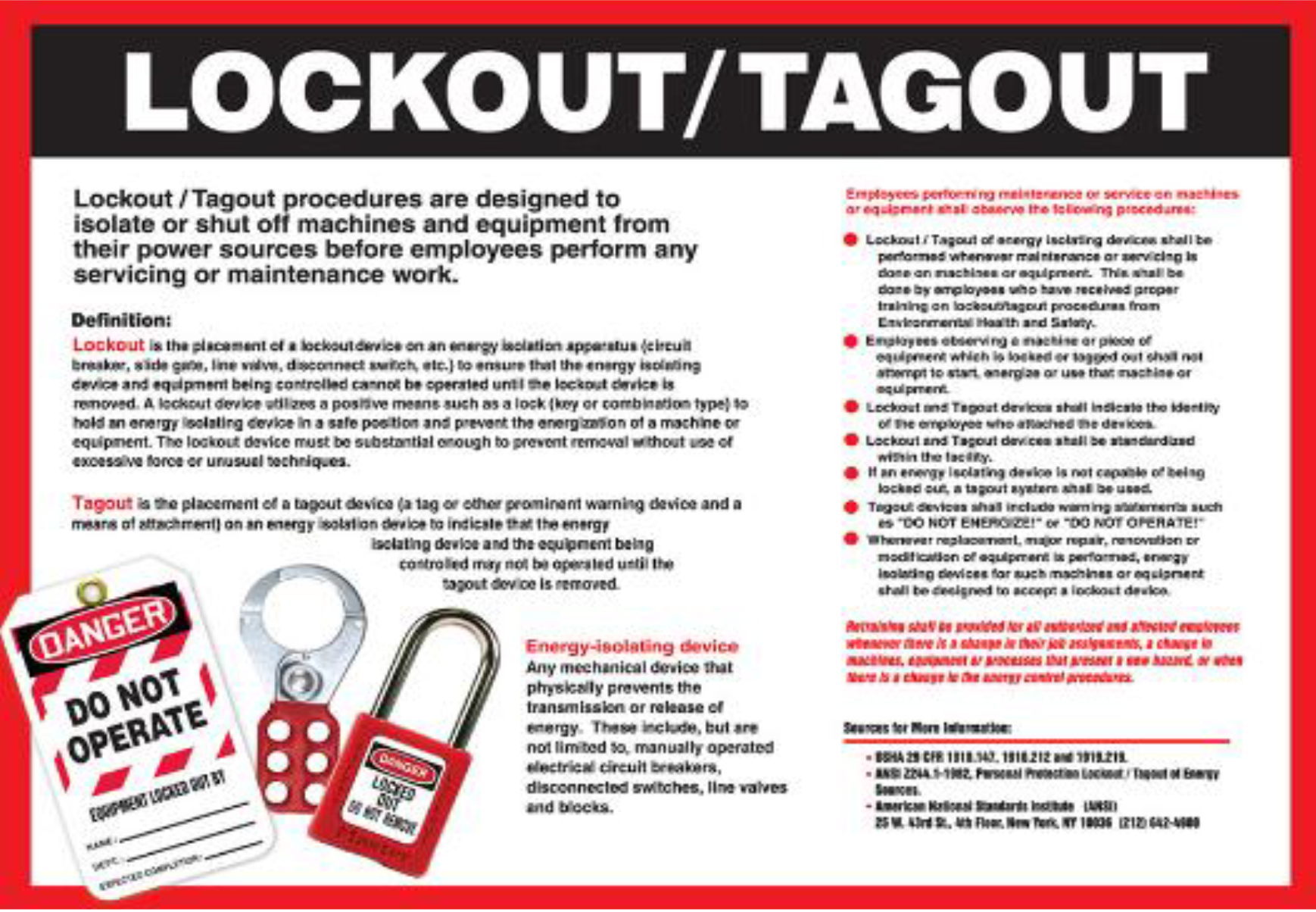
When machinery servicing involves multiple workers, a single lock won’t cut it. That’s where lockout tagout multiple locks come into play—turning a basic safety protocol into a layered, foolproof system. Missteps here don’t just risk OSHA violations; they risk lives. Too often, teams assume that applying more locks automatically means more safety. In reality, poor coordination, unclear procedures, or mismatched hardware can create false confidence. The real challenge isn’t adding locks—it’s managing them intelligently.
This guide breaks down how to implement lockout tagout multiple locks correctly, avoid common pitfalls, and ensure every worker stays protected when machinery is down.
Why Multiple Locks Are Non-Negotiable in Complex Maintenance
Some maintenance tasks require coordination across electricians, mechanics, hydraulics specialists, and process engineers. Each technician needs to service a different energy source—electrical, pneumatic, hydraulic, mechanical, or chemical. If only one person applies a lock, others are exposed the moment that lock is removed, even if their work isn’t done.
Multiple locks in a LOTO (Lockout/Tagout) system ensure that no single individual can restart equipment prematurely. Each authorized employee applies their personal lock, and the machine stays locked out until every lock is removed—typically only after all workers confirm their tasks are complete.
Real-World Example: A paper mill’s conveyor system requires simultaneous work on the drive motor (electrical), tension rollers (mechanical), and air clutch (pneumatic). Three technicians lock out their respective energy sources with individual padlocks. Even if one finishes early, the system can’t be energized until all three verify completion and remove their locks.
Without multiple locks, early re-energization creates a deadly hazard.
How Lockout Tagout Multiple Locks Work: The Mechanics
The core principle is simple: one person, one lock, one key. But scaling this across teams requires structured hardware and procedural discipline.
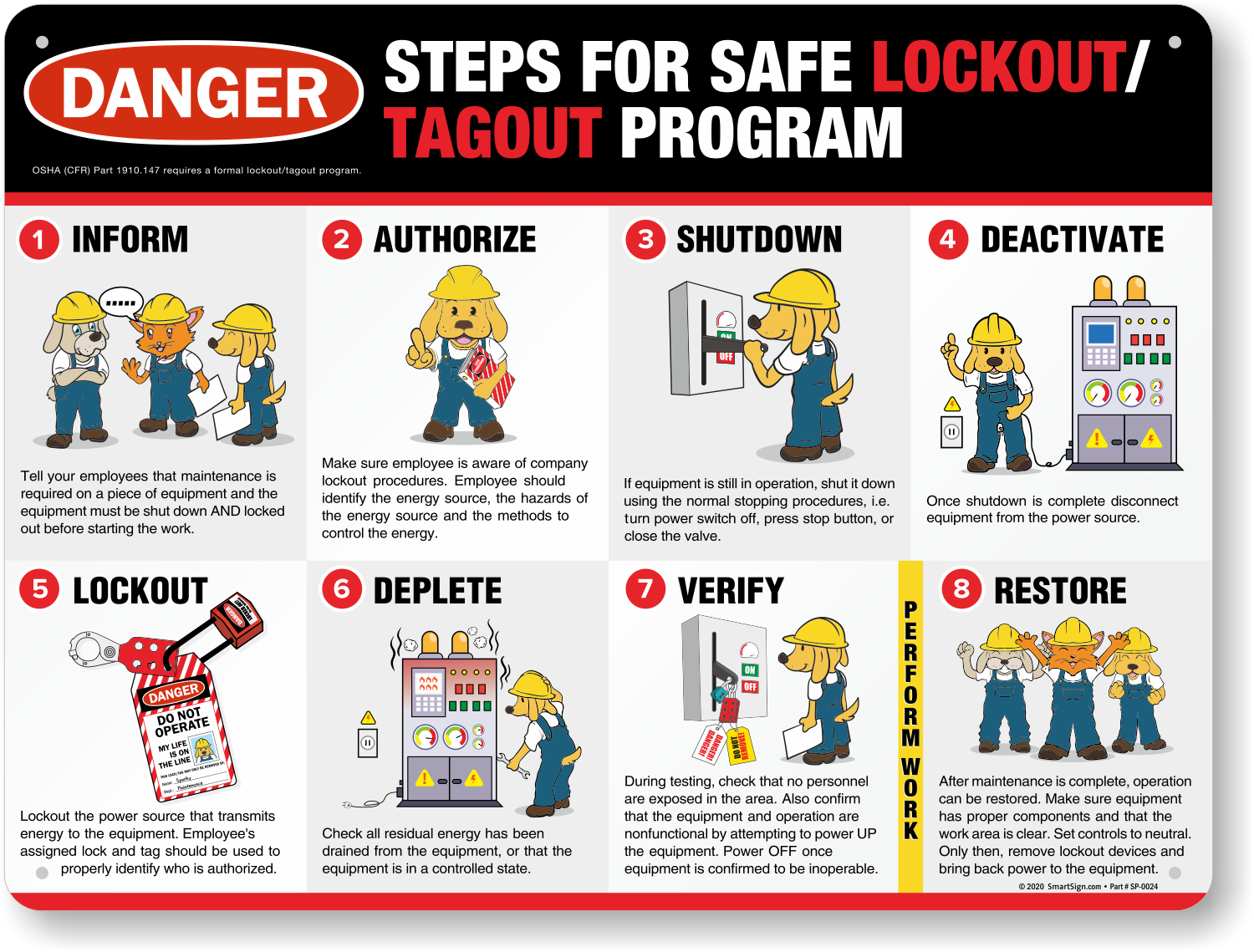
Here’s the standard process:
- Shut down equipment through normal controls.
- Isolate all energy sources (disconnects, valves, blocks).
- Apply lockout devices—each worker uses their own lock on the energy-isolating device.
- Attach tags with name, date, department, and reason for lockout.
- Verify zero energy before beginning work.
- Remove locks only after all work is complete—each worker removes their own.
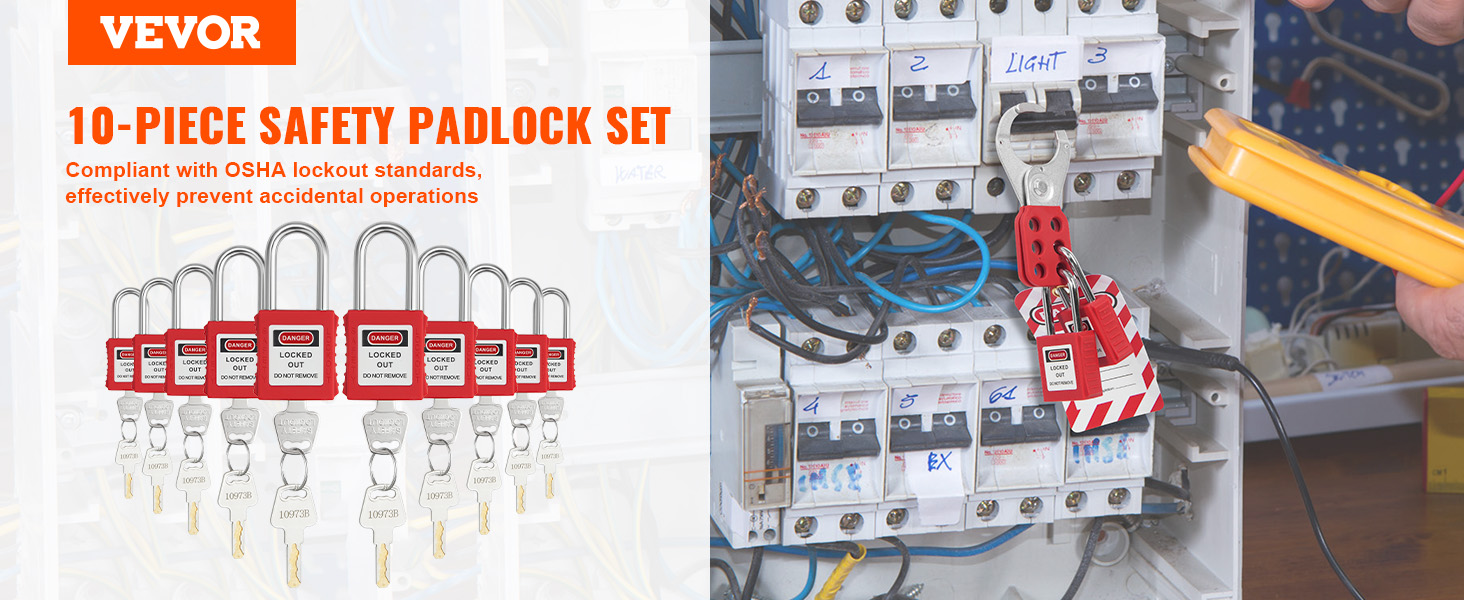
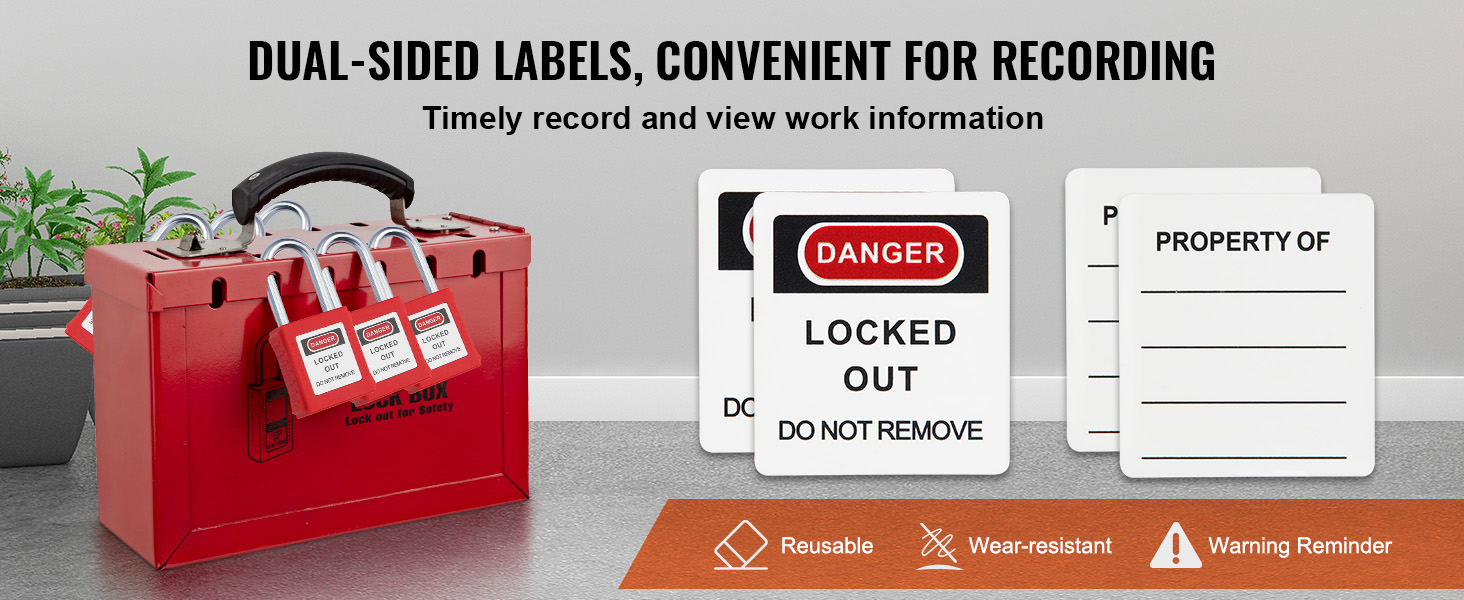
For multiple locks, group lockout devices like hasp assemblies or breaker lockout stations are essential. These allow several padlocks to be applied to a single isolation point.
#### Common Lockout Devices for Multiple Workers
| Device | Use Case | Max Locks Supported |
|---|---|---|
| Lockout Hasp | Valves, circuit breakers | 6–10 locks |
| Group Lockout Box | Shared access control | Up to 13 locks |
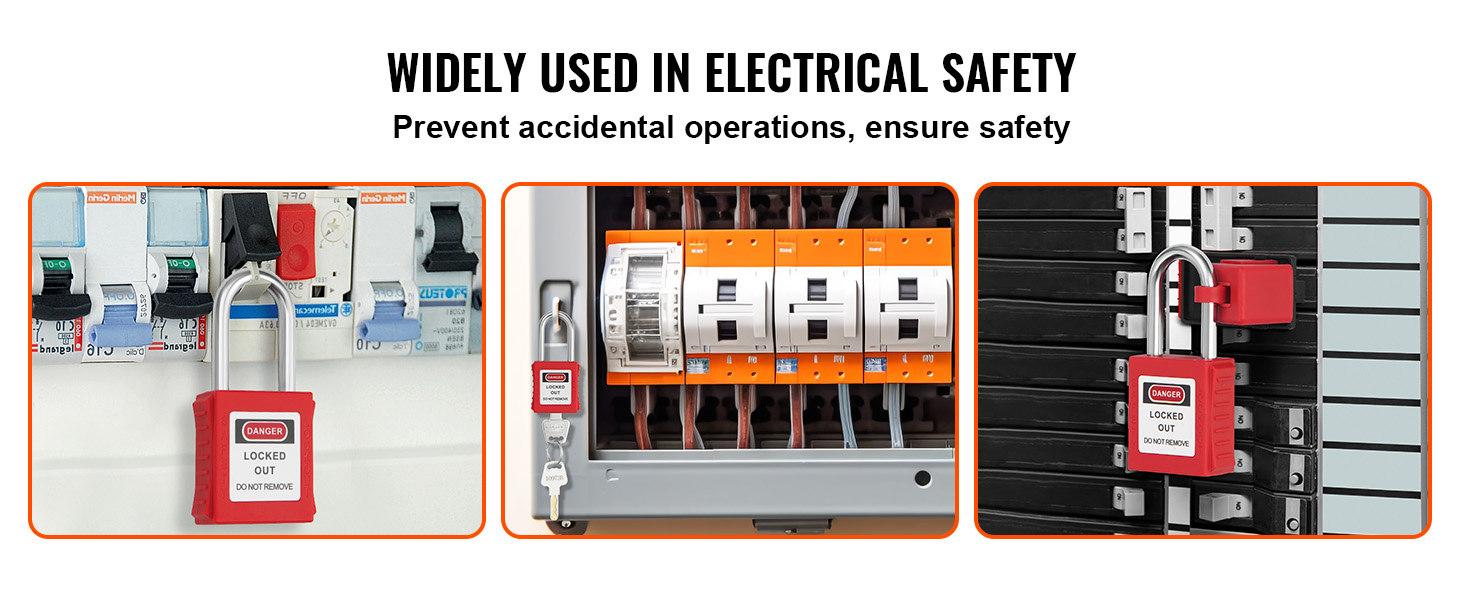
| Universal Breaker Lockout | Electrical panels | 2–4 padlocks |
| Valve Lockout w/ Hasp | Pneumatic/hydraulic lines | 3–6 locks |
| Cable Lockout Devices | Large disconnects | 2–4 locks via hasp |
These devices bridge individual accountability with team-based operations.
Pitfalls to Avoid
with Multiple Lock Systems
Even seasoned teams make critical mistakes when scaling lockout procedures. Awareness is the first layer of defense.
#### 1. Using Master Keys or Shared Locks If a supervisor carries a “master” key to remove locks, it defeats the purpose. The worker who applied the lock must be the one to remove it—this ensures personal verification of task completion.
#### 2. Tag Reliance Without Positive Locking Tags alone aren’t enough. OSHA requires that energy-isolating devices be physically locked out. A tag can be ignored; a padlock cannot.
#### 3. Incomplete Energy Source Identification Machines often have secondary or residual energy (e.g., pressurized lines, capacitors). Missing one source means the system isn’t truly de-energized—even with multiple locks in place.
#### 4. Poor Hasp Placement or Accessibility If a hasp is buried under insulation or behind a panel, workers may skip using it. Position lockout points for visibility and easy access during maintenance.
#### 5. Lack of Clear Removal Protocol What happens if a worker leaves early? Or goes on break? Without a documented handoff or lock transfer process, someone else might remove the lock unauthorized. OSHA prohibits this unless strict shift changeover procedures are in place.
Realistic Use Cases: Multiple Locks in Action
#### Case 1: Automotive Assembly Line Maintenance A robotic welding station requires maintenance on the electrical feed, hydraulic arms, and pneumatic clamps. Three technicians: - Electrician locks the main disconnect. - Mechanic secures the hydraulic manifold. - Technician locks the air supply valve. Only when all three confirm completion and remove their locks can the line be restarted.
#### Case 2: Chemical Processing Plant Shutdown During a reactor cleaning, maintenance spans electrical, mechanical, and process safety teams. A group lockout box is used: - Each worker places their lock on the box. - The key to the reactor’s main valve is stored inside. - No one can access the key until all locks are removed. This ensures no premature reactivation during confined space entry.
#### Case 3: Shift-Based Lockout Night shift mechanic begins repairs and applies a lock. Day shift takes over. Instead of removing the night worker’s lock, the incoming technician applies their own. The outgoing worker removes theirs after handoff confirmation. No lock is ever removed by someone other than the installer.
Choosing the Right Lockout Hardware for Teams
Not all lockout devices support multiple locks. When selecting equipment, prioritize durability, compatibility, and capacity.
#### Top 5 Lockout Solutions for Multiple Locks
- Grace Industries GCLB-1 Group Lockout Box
- - Holds up to 13 locks
- - Stores keys to primary disconnects
- - Ideal for shift changes and multi-team jobs
- Master Lock 1500T Aluminum Lockout Hasp
- - Corrosion-resistant, lightweight
- - Supports up to 6 padlocks
- - Common in electrical and HVAC settings
- Safeguard Equipment LOHASP6 Heavy-Duty Hasp
- - Reinforced steel for industrial environments
- - 6-lock capacity
- - Tamper-resistant design
- Bernard LT-224 Universal Circuit Breaker Lockout
- - Fits most 1–3 pole breakers
- - Integrated hasp for 2–4 locks
- - Quick install, no tools required
- RS Components Valve Lockout with Hasp (Model 836-8861)
- - Adjustable clamp for 1/2” to 2” valves
- - Built-in hasp for 3–6 locks
- - Used in oil, gas, and water treatment
Pro Tip: Standardize padlock colors or tagging systems by department or shift. Red for electrical, blue for mechanical, yellow for process—this improves visibility during audits and emergencies.
OSHA Compliance: What You Must Get Right
OSHA 29 CFR 1910.147 is clear: multiple locks are required when multiple employees are servicing the same equipment. But compliance goes beyond hardware.
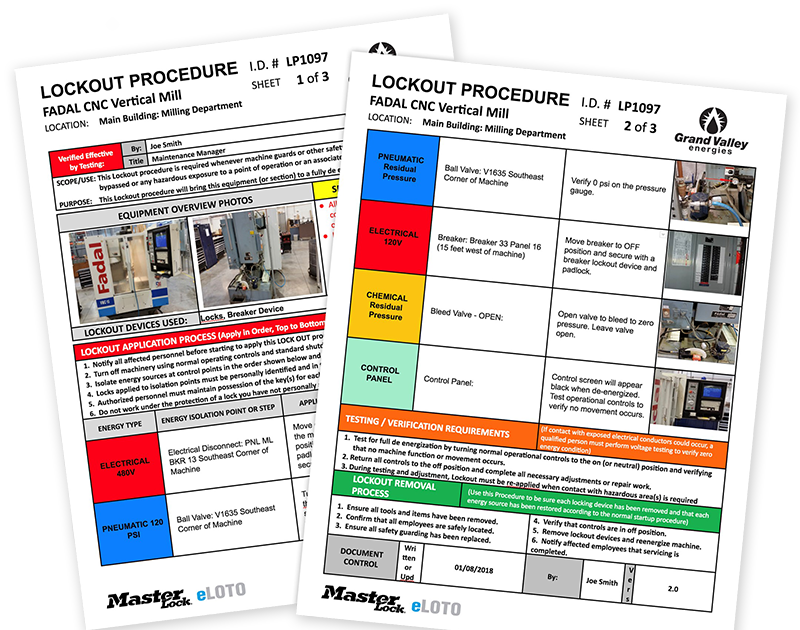
Key requirements: - Authorized employees only can apply and remove locks. - Energy control procedures must be documented and site-specific. - Periodic inspections (at least annually) must verify procedure adherence. - Training must be role-specific—authorized vs. affected employees.
During an OSHA audit, inspectors will: - Review your written LOTO program - Observe a live lockout procedure - Interview workers on their understanding - Check that all locks are personally owned and keyed differently
A single missing signature on a log sheet or evidence of shared keys can trigger citations averaging $15,000 or more—per violation.
Best Practices for Managing Multiple Lockout Operations
Success isn’t just about compliance—it’s about creating a culture where safety is seamless and intuitive.
1. Use Lockout Kits by Team or Task Pre-assemble kits with hasps, locks, tags, and PPE specific to common procedures. Reduces setup time and ensures completeness.
2. Implement a Lockout Log Track who locked out, when, and for what reason. Digital logs with timestamps are ideal for high-traffic environments.
3. Train on Communication Protocols Workers must announce lock application and removal. Use a verbal check-in system or digital alerts in noisy environments.
4. Audit Randomly, Not Just Annually Monthly spot checks uncover gaps before OSHA does. Focus on coordination during multi-person jobs.
5. Eliminate “Temporary” Bypasses No worker should ever be pressured to “just bypass the lock” for a quick test. Reinforce that procedures are non-negotiable.
Final Word: Safety Scales
with Systems, Not Just Locks
Lockout tagout multiple locks only work when backed by clear procedures, reliable hardware, and a culture that prioritizes accountability. It’s not about how many locks you use—it’s about ensuring each one represents a person’s safety and a process that can’t be rushed.
Start by auditing your current LOTO program. Are multiple-lock scenarios covered? Are hasps accessible? Do workers understand their role? Fix the gaps now—before a shortcut becomes a tragedy.
Equip your team, standardize your hardware, and never let convenience override control. When the machine stays locked until the last worker is clear, you’re not just following rules—you’re saving lives.
FAQ
What should you look for in Lockout Tagout Multiple Locks: A Practical Guide to Safety? Focus on relevance, practical value, and how well the solution matches real user intent.
Is Lockout Tagout Multiple Locks: A Practical Guide to Safety suitable for beginners? That depends on the workflow, but a clear step-by-step approach usually makes it easier to start.
How do you compare options around Lockout Tagout Multiple Locks: A Practical Guide to Safety? Compare features, trust signals, limitations, pricing, and ease of implementation.
What mistakes should you avoid? Avoid generic choices, weak validation, and decisions based only on marketing claims.
What is the next best step? Shortlist the most relevant options, validate them quickly, and refine from real-world results.