Equipment doesn’t warn you before it starts. A conveyor belt, hydraulic press, or industrial oven can activate unexpectedly during maintenance—leading to crushing, amputation, or worse. That’s where lockout tagout locks and keys come in. These aren’t just metal and plastic. They’re the physical backbone of an energy control procedure designed to protect workers when machines are supposed to be off.
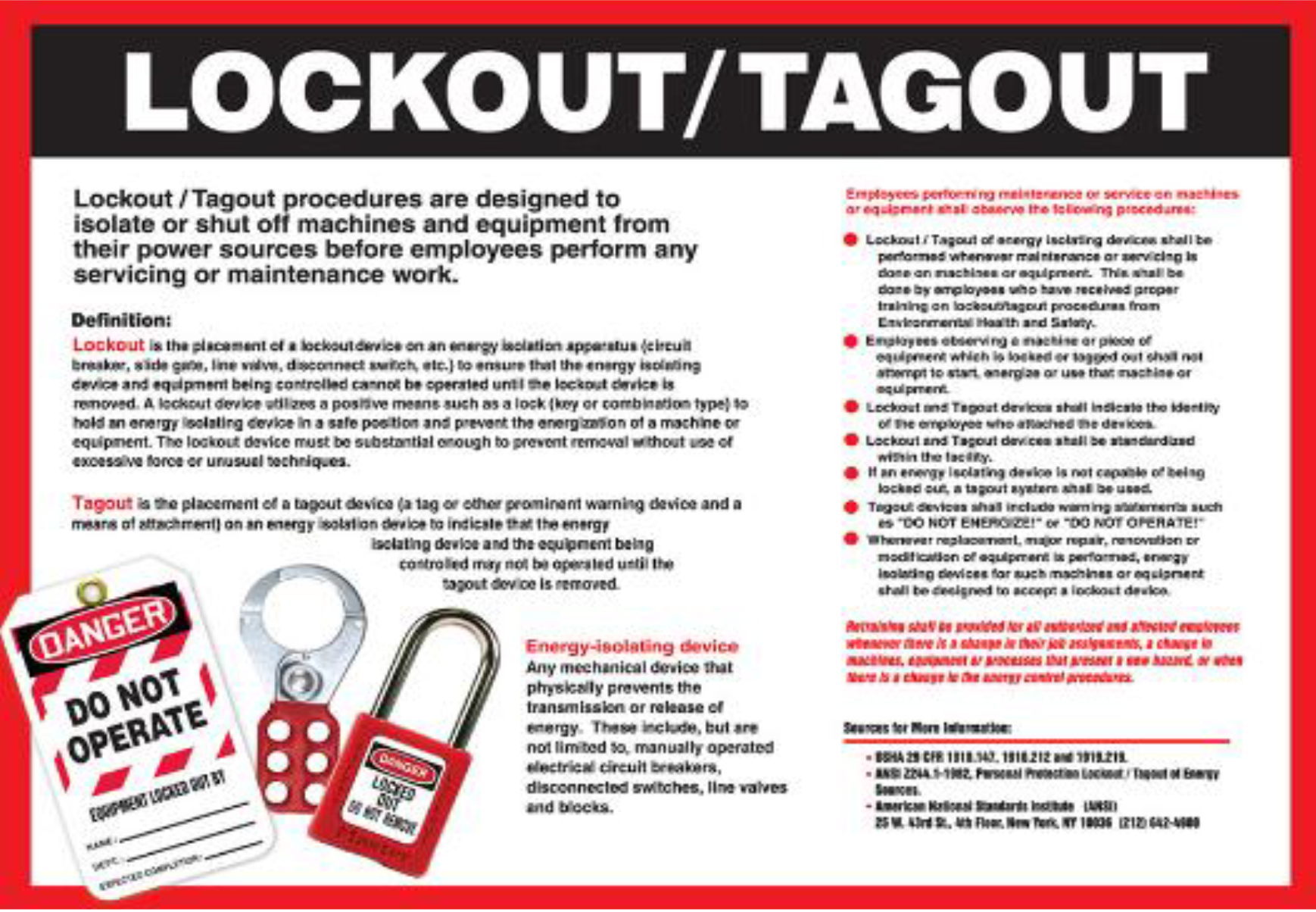
Lockout tagout (LOTO) systems rely on a simple principle: isolate energy sources, lock them in the off position, and assign control to the authorized employee. At the heart of this are the locks and keys—individualized, tamper-resistant devices that ensure only the person who applied the lock can remove it. Without them, even the best-written safety policy becomes a formality.
This article breaks down lockout tagout locks and keys—not as generic safety gear, but as strategic tools that enforce accountability, prevent bypassing, and stop unauthorized restarts.
Why Lockout Tagout Locks Are Non-Negotiable
You can't tag a valve without locking it. Tags warn. Locks protect.
OSHA standard 1910.147 makes it clear: before servicing machinery, all energy sources—electrical, pneumatic, hydraulic, thermal, chemical—must be isolated and locked out. Tags alone aren’t enough because they can be ignored. A lock physically prevents activation.
Consider a real-world example: a packaging line maintenance tech begins clearing a jam. The machine is off, but not locked out. A coworker, unaware of the work, hits the start button. The result: severe hand injury. An OSHA investigation later finds no lockout procedure was followed. The fine: over $30,000.
Locks are the only way to guarantee a zero-energy state. Each lock is tied to a single employee, ensuring personal accountability. No shared locks. No master key overrides during active maintenance.
Types of Lockout Locks and Their Applications
Not all locks serve the same purpose. Choosing the wrong type can create a false sense of security.
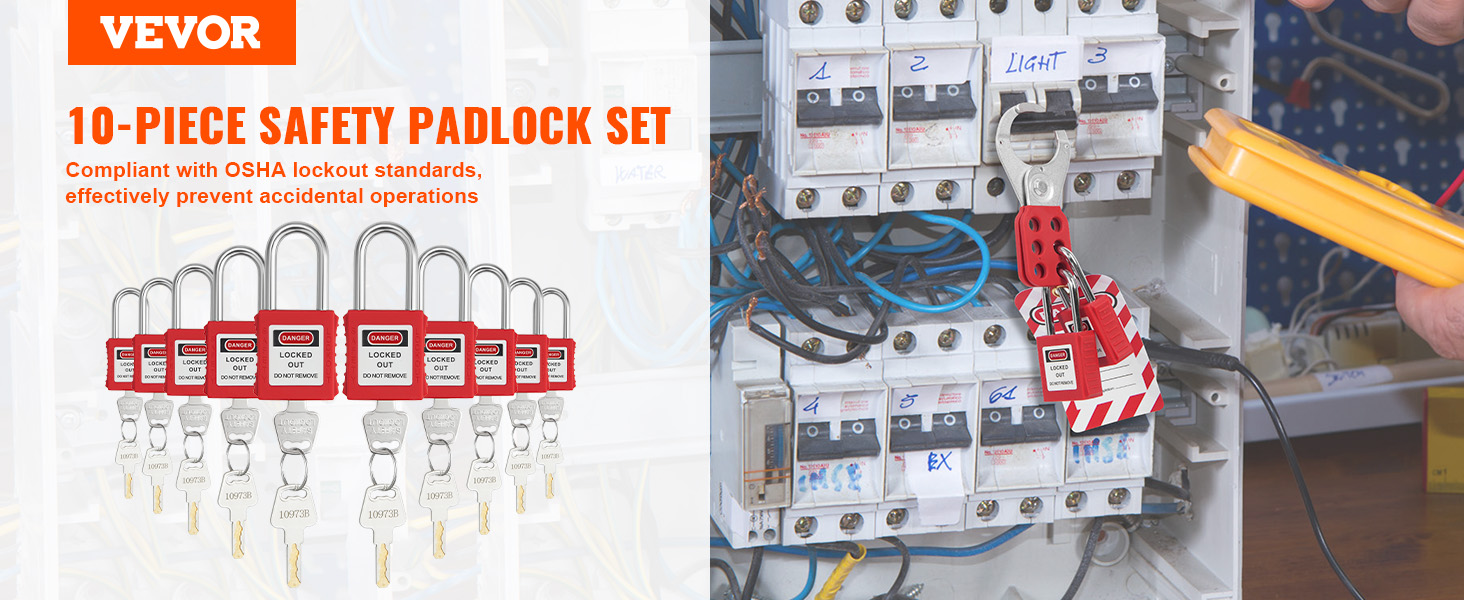
#### 1. Padlocks (Standard & Safety-Specific) The most common LOTO lock. Safety padlocks differ from standard hardware-store versions in key design and material.
- Key-retaining mechanism: Only releases the key when the lock is open. Prevents key loss mid-procedure.
- Non-conductive bodies: Many are made of nylon or polymer to prevent electrical conductivity.
- Color-coded options: Red for electrical, yellow for mechanical, etc., helping teams identify isolation points quickly.
Example: A 12mm shackle nylon padlock used on electrical disconnects in a food processing plant. The bright red body stands out, and the key-retaining function ensures the electrician can’t lose the key while moving between panels.
#### 2. Ball-Valve Lockouts Used to secure quarter-turn valves in the closed position.
- Clamps around the handle, blocking rotation.
- Often used with a hasp so multiple workers can apply personal locks.
- Common in chemical plants and refineries.
#### 3. Circuit Breaker Lockouts Slid over the breaker switch to prevent flipping.
- Designed to fit specific breaker sizes.
- Allow only one lock per device—personal control is maintained.
- Prevent accidental resets after tripping.
#### 4. Plug and Outlet Locks Prevent re-energizing of powered equipment by locking plugs in place.
- Used for portable tools, pumps, or temporary setups.
- Some models accept multiple locks for group work.
#### 5. Group Lockout Hasps Critical for team maintenance. A hasp is placed on an energy isolation point (like a main disconnect), allowing each technician to apply their personal lock.

- One master lock isn’t allowed—each worker owns their safety.
- The equipment stays locked until every individual removes their lock.
The Role of Keys in Lockout Systems
Keys are more than access tools—they’re control devices.
Most safety padlocks use one of three key systems:
- Retention-only: Key can only be removed when lock is open. Prevents misplacement.
- Keyed-alike (KA): Multiple locks opened by the same key. Useful for shift changes, but only if controlled.
- Keyed-different (KD): Each lock has a unique key. Maximum security, but harder to manage.
Critical Rule: During active lockout, there must be only one key—held by the authorized employee. No spare keys, no master overrides.
Where keys go wrong: - A supervisor keeps a “master” key “just in case.” This violates OSHA. If someone bypasses a lock, the company is liable. - Keys are taped to locks. Defeats the purpose—anyone can remove it. - Employees share locks and keys. No individual accountability.
Best practice: Implement a lock checkout system. Each worker signs out their personal lock and key at the start of a shift. If the lock isn’t returned, it triggers a safety audit.
Common Mistakes That Undermine LOTO Locks
Even with the right locks, human behavior can defeat the system.
1. Using Personal Locks for Non-LOTO Tasks A technician uses their red safety padlock to secure a tool cabinet. Later, during a machine service, they can’t find the lock. Result: they borrow someone else’s or skip locking out. Fix: Dedicate LOTO locks strictly to energy isolation. No exceptions.
2. Tagging Without Locking A worker places a tag on a disconnect but doesn’t lock it. Others assume the machine is safe. Fix: Tags are supplemental. Locks are mandatory. If you can’t lock it, you can’t service it—unless an alternative procedure is documented and approved.
3. Poor Lock Storage Locks kept in a shared drawer, tangled or missing shackles. Fix: Use labeled lockout stations. Store locks in individual compartments with key holders.
4. Not Training for Real Scenarios Training that only covers theory fails when employees face a jammed valve or a missing hasp. Fix: Run drills with broken equipment, simulate shift changes, practice group lockouts.
Choosing the Right Lockout Locks: What to Look For
Not all “safety locks” are equal. Here’s what separates reliable from risky:
| Feature | Why It Matters |
|---|---|
| Key-retaining design | Prevents key removal while locked—ensures control stays with user |
| Shackle length & diameter | Must fit isolation devices (e.g., breaker handles, valves) |
| Material (steel, nylon, brass) | Nylon resists corrosion and electricity; steel offers durability |
| Color options | Supports visual management; red for electrical, blue for pneumatic |
| Lockout capacity | Can it fit on your specific equipment? Test before rollout |
Also consider environmental factors: - In wet areas, use stainless steel or coated shackles to prevent rust. - In explosive atmospheres, non-sparking materials like brass or nylon are required. - In cold environments, avoid brittle plastics.
Top 5 Lockout Locks & Key Systems (Trusted in Industry)
- Master Lock 1500IDNIRT
- - Nylon-bodied padlock with 25.4mm shackle
- - Key-retaining, non-conductive, ideal for electrical panels
- - Comes with employee ID tag for accountability
- Graber Safety GL-100KA
- - 38mm steel shackle, keyed-alike option available
- - Durable for heavy industrial use
- - Works with most breaker and valve lockout devices
- Baldwin 800D Series
- - High-security disc cylinder, pick-resistant
- - Used in power generation and aerospace
- - Keyed-different models minimize unauthorized access

- SafelyPlus SP-LK10
- - Lightweight polymer, chemical-resistant
- - Ideal for food and pharmaceutical plants
- - Includes built-in tag holder
- IDEAL LOTO-PL20
- - Affordable, OSHA-compliant
- - 20-pack with individual keys
- - Great for small teams or new programs
Each of these supports compliance, but the best choice depends on your environment, equipment, and workflow.
Integrating Locks and Keys into Your LOTO Program
A lock is only as strong as the procedure behind it.
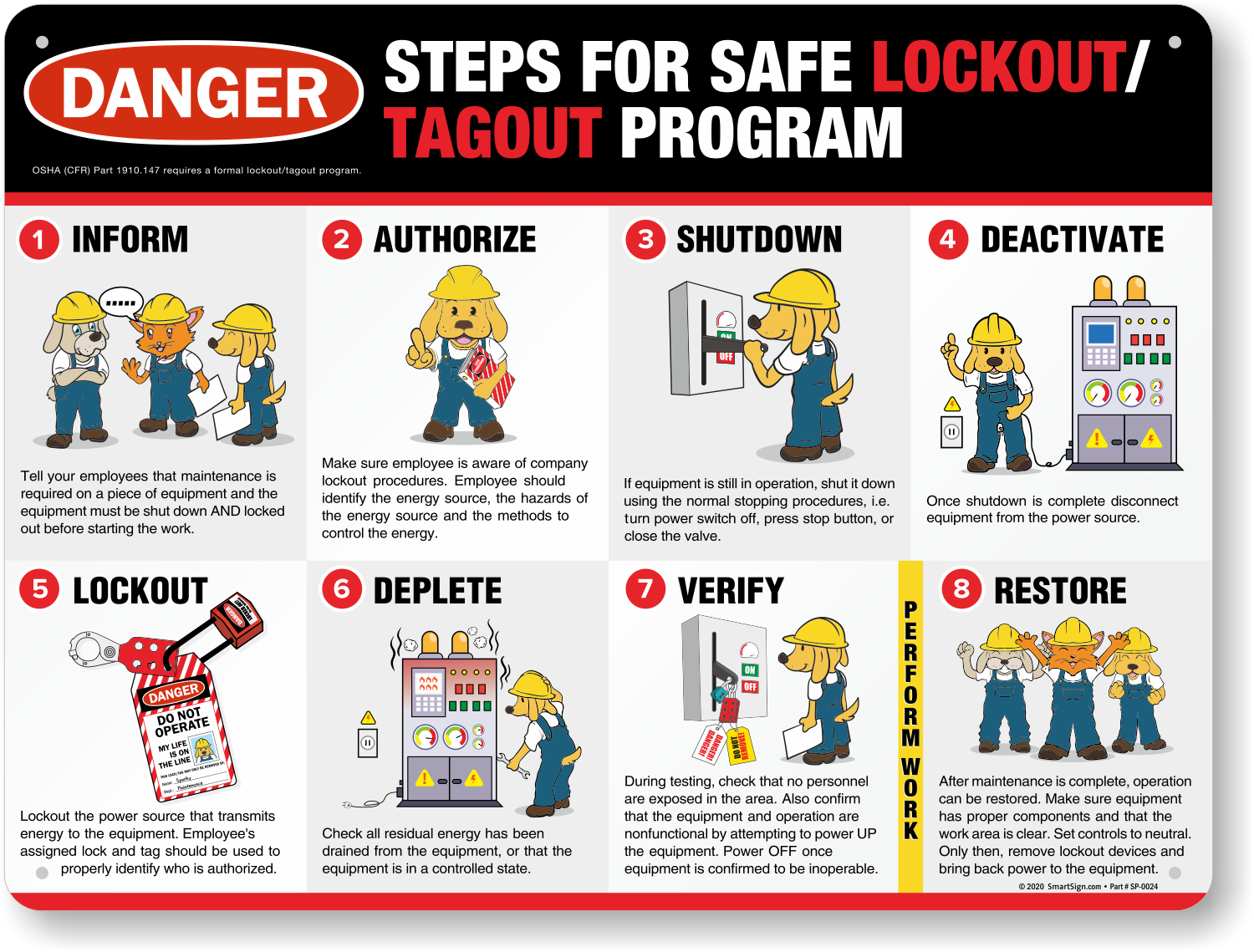
Follow these steps to ensure locks and keys work as intended:
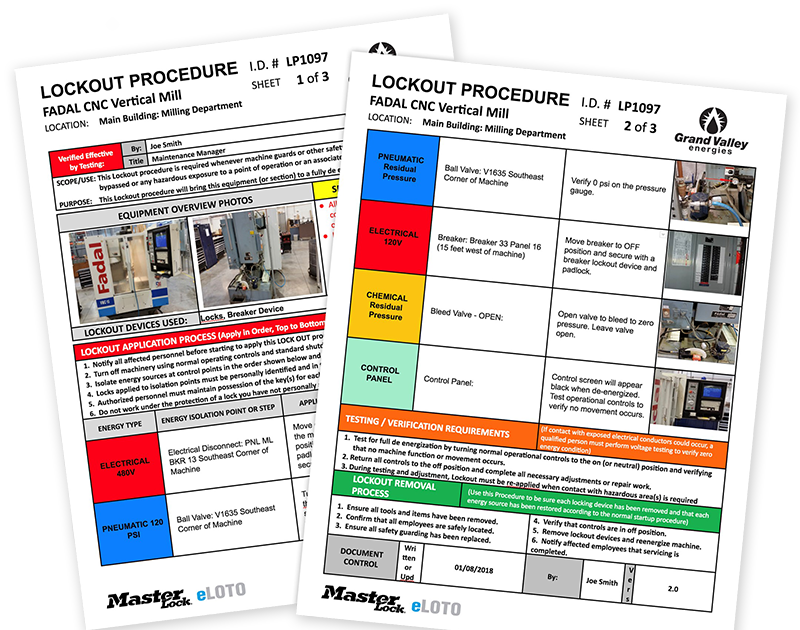
- Audit all energy sources
- Map every machine and its isolation points—electrical disconnects, valve locations, pneumatic releases.
- Standardize lock types
- Choose one or two models across departments. Simplifies training and replacement.
- Assign personal locks
- Each authorized employee gets their own lock and key—engraved with name or ID.
- Use lockout stations
- Centralized carts or wall-mounted boards with locks, tags, hasps, and devices.
- Train with hands-on practice
- Don’t just explain—have workers perform full lockouts on actual equipment.
- Inspect regularly
- Monthly checks for damaged shackles, broken keys, or missing components.
- Enforce the “one key, one employee” rule
- No exceptions. No overrides.
Real-World Use Case: Preventing a Near-Miss
At a Midwest auto parts plant, a maintenance team was replacing a hydraulic pump. The system required shutting off both electrical power and hydraulic pressure.
- Tech A locked the main power disconnect with his personal padlock.
- Tech B applied a valve lock to the hydraulic line.
- Both used a group hasp on the pump’s release valve—each adding their lock.
Midway through, the shift supervisor tried to speed up production and asked if the machine could be briefly restarted. The electrician checked the locks. Seeing two personal locks still in place, he refused. The restart was delayed until both techs verified completion and removed their locks.
The locks didn’t just stop the machine—they enforced policy. No discussion. No pressure. The physical barrier overruled operational urgency.
Lockout tagout locks and keys are not accessories. They are enforcement tools—small in size, massive in consequence. When properly selected, managed, and used, they create an unbreakable chain between procedure and protection.
Choose locks with purpose. Train with realism. Audit with discipline. And never let a single key fall into the wrong hands.
Equip your team with the right locks, and you’re not just complying with OSHA—you’re building a culture where safety is non-negotiable.
FAQ
Can I use a regular padlock for lockout? No. Standard padlocks often lack key-retaining mechanisms and may conduct electricity. Use OSHA-compliant safety locks only.
What happens if an employee loses their lock key? The lock must be removed under a controlled procedure—typically by a supervisor using bolt cutters, with documentation and incident review.
Are there lockout locks that don’t use keys? Yes. Some systems use combination locks or electronic smart locks, but they must still ensure individual control and accountability.
Can multiple people use the same lockout device? Yes, using a group hasp. Each worker applies their personal lock. The device stays locked until all remove their locks.
Do lockout locks expire? Not technically, but they degrade. Inspect regularly for corrosion, shackle damage, or key wear. Replace if compromised.
Should locks be color-coded? Yes. Color-coding by energy type (e.g., red for electrical) improves visibility and reduces errors.
Can I use a tag without a lock? Only in rare cases where energy isolation can’t be locked (e.g., certain public utility systems), under an alternative procedure meeting OSHA’s limited exception.
FAQ
What should you look for in Lockout Tagout Locks and Keys: Your Safety System Explained? Focus on relevance, practical value, and how well the solution matches real user intent.
Is Lockout Tagout Locks and Keys: Your Safety System Explained suitable for beginners? That depends on the workflow, but a clear step-by-step approach usually makes it easier to start.
How do you compare options around Lockout Tagout Locks and Keys: Your Safety System Explained? Compare features, trust signals, limitations, pricing, and ease of implementation.
What mistakes should you avoid? Avoid generic choices, weak validation, and decisions based only on marketing claims.
What is the next best step? Shortlist the most relevant options, validate them quickly, and refine from real-world results.