Every year, hundreds of workers are injured or killed during equipment servicing due to unexpected startup or release of stored energy. The culprit? A missing or poorly executed lockout tagout (LOTO) procedure. OSHA estimates that proper implementation of energy control programs could prevent 120 fatalities and nearly 50,000 injuries annually.
The foundation of any effective LOTO program is a clear, standardized procedure—and that starts with a reliable lockout tagout template. But most companies either use outdated, generic forms or build them from scratch, wasting time and risking non-compliance.
A free lockout tagout template isn’t just a convenience—it’s a frontline defense. Used correctly, it ensures consistency, improves training, and reduces procedural errors during maintenance. This article walks you through why templates matter, how to use them effectively, and where to find high-quality free LOTO templates that meet OSHA standards.
What Is a Lockout Tagout Template?
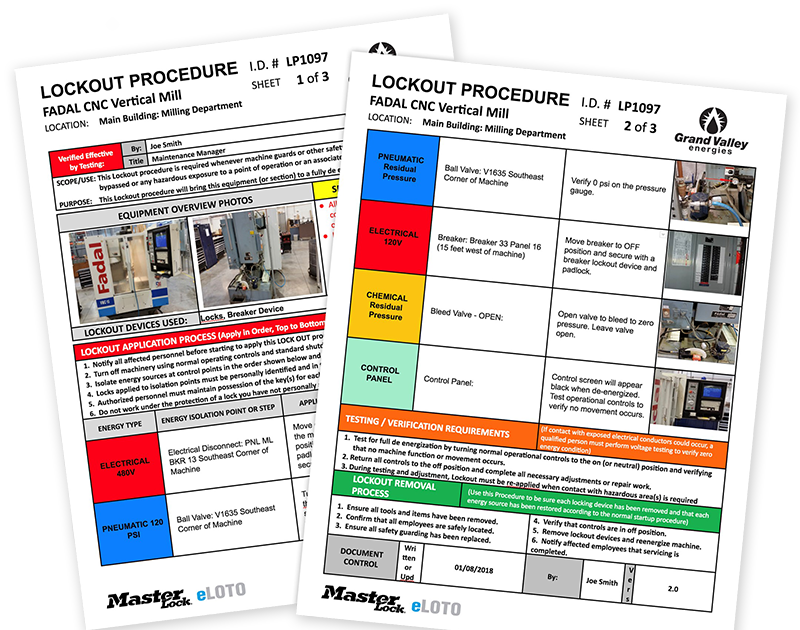
A lockout tagout template is a standardized form used to document the steps for safely isolating energy sources during equipment servicing. It guides maintenance personnel through the shutdown, isolation, locking, tagging, verification, and re-energizing processes.
Unlike general safety checklists, a LOTO template is equipment-specific. It identifies the exact type of energy (electrical, hydraulic, pneumatic, chemical, etc.), isolation points, lockout devices required, and authorized personnel responsible.
Key Components of an Effective Template
- Equipment Identification: Name, location, and ID number of the machine
- Energy Sources: List of all energy types and their sources
- Isolation Points: Valves, breakers, or disconnects to be secured
- Lockout Devices: Type of locks or tags used (e.g., hasp, valve lock)
- Authorized Personnel: Names of employees trained to perform LOTO
- Verification Step: Method to confirm zero energy state (e.g., test run)
- Sign-Off Sections: For both the person applying and removing locks
Without these elements, even a well-intentioned procedure can fall short during high-pressure maintenance scenarios.
How a Free LOTO Template Strengthens OSHA Compliance
OSHA’s 29 CFR 1910.147 standard mandates a written energy control program. Simply “having” LOTO procedures isn’t enough—they must be documented, accessible, and regularly reviewed.
A free lockout tagout template helps meet this requirement by providing a consistent format across all machines and shifts. It reduces ambiguity and serves as proof of compliance during audits.
For example, a food processing plant in Indiana avoided a $12,000 OSHA fine because their inspectors could quickly verify that every piece of equipment had a documented, up-to-date LOTO procedure—built using a standardized template.
Templates also support training. New hires can follow the same format across different machines, speeding up onboarding and reducing human error.
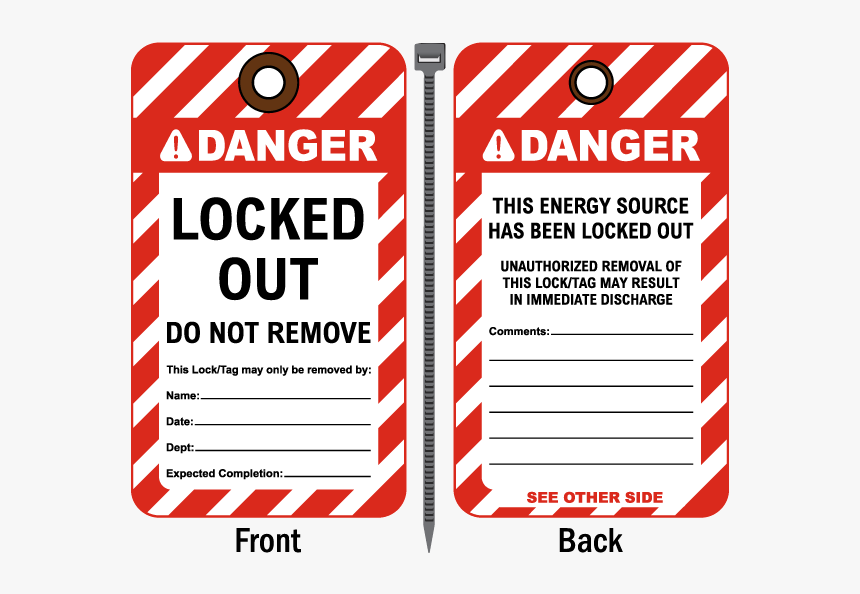
Common Mistakes When Using Free LOTO Templates
While templates save time, they can introduce risks if used improperly. Here are the most frequent pitfalls:
1. Using a Generic Template for All Equipment One-size-fits-all forms fail to capture machine-specific hazards. A template for a conveyor belt won’t work for a hydraulic press. Always customize.
2. Skipping the Verification Step
Many templates include a line for “verify zero energy,” but workers skip it. The template must emphasize this step with a required signature or test method.
3. Not Updating After Equipment Changes If a machine is retrofitted or relocated, the LOTO procedure must be revised. Outdated templates create false confidence.
4. Poor Accessibility Storing templates in a binder no one checks or on a shared drive with confusing naming leads to non-use. Host them near equipment or in a digital system accessible via QR codes.
5. No Training Linkage A template is not a substitute for training. Ensure each worker understands the form and can apply it under real conditions.
5 Free Lockout Tagout Templates You Can Use Today
Not all free templates are created equal. Below are five reliable, downloadable LOTO templates that meet OSHA requirements and are ready for customization.
| Template | Source | Format | Best For | Notes |
|---|---|---|---|---|
| OSHA-Compliant LOTO Procedure Form | SafetyInfo.com | PDF, Word | Manufacturing, industrial | Includes space for diagrams and energy source diagrams |
| Lockout/Tagout Authorization & Procedure Template | TemplateLab | Word, PDF | Small businesses, startups | Simple layout, easy to edit for non-experts |
| Energy Control Procedure (ECP) Template | Grainger | High-risk environments | Created by a major safety supplier, includes PPE checklist | |
| Machine-Specific LOTO Template | Creative Safety Supply | Word | Facilities with diverse equipment | Allows customization per machine, includes QR code field |
| LOTO Procedure Generator (Free Tier) | SafetyCulture (iAuditor) | Web-based | Digital workflows | Not a static template—generates dynamic forms with audit trail |
Pro Tip: Always save a master copy of the original template. Work from duplicates when customizing to preserve the standard format.
How to Customize Your Free LOTO Template in 4 Steps
A template is only as good as its execution. Follow this process to adapt a free LOTO form to your facility:
Step 1: Conduct an Energy Audit Walk through each machine with maintenance and safety staff. Identify all energy sources—don’t overlook stored energy in springs, capacitors, or elevated parts.
Step 2: Map Isolation Points Label every disconnect, valve, or bleeder. Take photos and add them to the template if possible. This reduces confusion during emergency shutdowns.
Step 3: Assign Authorized Personnel Only trained workers should perform LOTO. List their names or use employee IDs. Update this section annually or when staff changes occur.
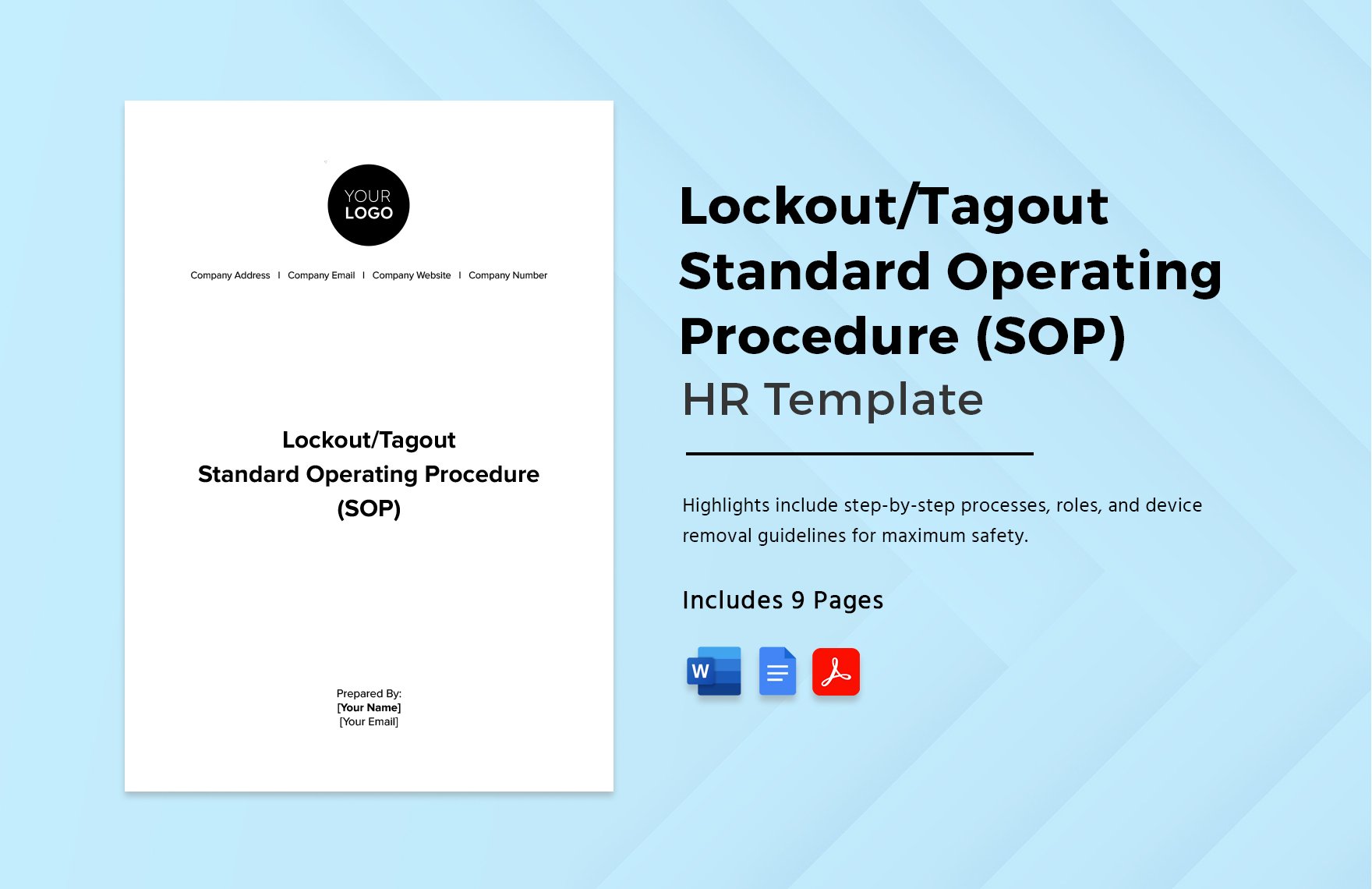
Step 4: Test and Validate Run a mock lockout with your team. Use the template in real time. Identify gaps—maybe a step is unclear, or a signature line is missing. Revise accordingly.
Once finalized, print copies and post them near equipment, or store them in a digital LOTO system accessible via tablets or mobile devices.
Digital vs. Paper LOTO Templates: What Works Better?
While free printable templates are widely used, digital solutions are gaining traction—especially in facilities with complex or mobile equipment.
Paper Templates: Pros and Cons
- ✅ Low cost, no tech required
- ✅ Easy to post near machines
- ❌ Hard to track revisions
- ❌ No audit trail for compliance
Digital Templates: Pros and Cons
- ✅ Version control and real-time updates
- ✅ Integration with work orders and maintenance logs
- ✅ Can include photos, videos, and e-signatures
- ❌ Requires devices and training
For most mid-sized to large facilities, a hybrid model works best: use free paper templates as backups, but manage the master versions digitally. Tools like SafetyCulture or Katrana allow you to upload and customize free templates, then deploy them across teams with tracking.
Real-World Example: How a Brewery Reduced Downtime with LOTO Templates
A craft brewery in Colorado struggled with inconsistent lockout procedures. Maintenance delays and near-misses were common.
They downloaded a free LOTO template from Grainger and customized it for their bottling line, fermenters, and boilers. Each form included: - Energy types (electrical, CO2 lines, steam) - Isolation points with photos - Required lockout devices (e.g., breaker locks, valve tags) - Verification steps using test gauges
Within three months, maintenance downtime dropped by 22%, and safety audit scores improved from 78% to 96%. The key? A simple, standardized form that everyone could follow—no guessing.
Final Tips for Sustaining an Effective LOTO Program
A free lockout tagout template is a starting point—not the finish line. To maintain long-term safety and compliance:
- Review procedures annually or after any incident
- Train new hires using the actual template they’ll use on the job
- Conduct periodic audits—watch someone perform LOTO using the form
- Encourage feedback from maintenance staff on clarity and usability
- Pair templates with physical tools like lockout stations, hasps, and group boxes
The best templates evolve. They’re not just documents—they’re living tools that grow with your facility.
Get Started Today: Download and Deploy
Don’t let poor documentation put your team at risk. Choose one of the free lockout tagout templates listed above, customize it for your equipment, and put it into action. Print it, post it, and practice it. Safety isn’t about perfection—it’s about consistency. And a solid template is the easiest way to achieve it.
FAQ
What should you look for in Free Lockout Tagout Template for Workplace Safety Compliance? Focus on relevance, practical value, and how well the solution matches real user intent.
Is Free Lockout Tagout Template for Workplace Safety Compliance suitable for beginners? That depends on the workflow, but a clear step-by-step approach usually makes it easier to start.
How do you compare options around Free Lockout Tagout Template for Workplace Safety Compliance? Compare features, trust signals, limitations, pricing, and ease of implementation.
What mistakes should you avoid? Avoid generic choices, weak validation, and decisions based only on marketing claims.
What is the next best step? Shortlist the most relevant options, validate them quickly, and refine from real-world results.