Workplace incidents cost businesses billions annually—both in dollars and human well-being. Yet one of the most effective and low-cost tools to prevent accidents isn’t a high-tech device or a complex compliance system. It’s a simple, 10-minute conversation: the toolbox talk.
These short, focused safety meetings have quietly become a cornerstone of proactive risk management across construction, manufacturing, utilities, and field services. When done right, they don’t just check a compliance box—they transform how teams think about safety.
Let’s break down exactly why consistent, well-run toolbox talks deliver outsized returns.
What Is a Toolbox Talk (And Why It’s Not Just Another Meeting)
A toolbox talk is a brief, informal safety discussion held at the job site, usually before work begins. It typically lasts 10 to 15 minutes and centers on a specific hazard, task, or safety procedure relevant to the day’s work. Unlike lengthy quarterly trainings, these sessions are timely, targeted, and participatory.
What sets them apart: - Led by a supervisor, foreman, or team member—not a distant safety officer - Focused on real-time risks (e.g., working at heights today, not general fall protection) - Held where the work happens—with tools and conditions visible - Encourages questions, observations, and shared experience
The format is simple, but the impact isn’t. A utility crew discussing arc flash risks before opening a panel isn’t just reminded—they’re mentally prepared. A construction crew reviewing scaffold stability in the early morning chill does more than listen—they engage.
Immediate Hazard Awareness and Prevention
One of the clearest benefits of a toolbox talk is real-time hazard identification. Workers often arrive on-site mentally elsewhere—commuting, managing personal issues, or focused on deadlines. A quick safety huddle resets their attention.
Example: A roofing crew begins their day with a talk on slip hazards due to morning dew and high winds. One worker mentions a loose edge on the safety netting. Because it’s brought up early, it’s fixed before anyone goes up.
Without that talk, the same issue might go unnoticed until someone slips or equipment shifts unexpectedly.
Toolbox talks work because they: - Surface hidden or emerging risks - Reinforce PPE requirements specific to the day - Clarify procedures for non-routine tasks - Adapt to changing conditions (weather, equipment, personnel)
They turn safety from a theoretical concept into a daily, actionable habit.
Boosts Communication and Team Ownership
Safety shouldn’t be a top-down mandate. Effective programs thrive on two-way communication. Toolbox talks create space for workers to speak up—about concerns, near-misses, or better ways to do a task.
Common mistake: Supervisors lecturing for the full 15 minutes without inviting input.
Better approach: Ask open-ended questions: - “Has anyone encountered this type of rigging before?” - “What would you do if the backup alarm fails during reversing?” - “Is there a spot today where visibility might be an issue?”
When workers contribute, they’re more likely to follow protocols—not because they’re told to, but because they helped shape them.
Over time, this builds psychological safety. Workers feel seen, respected, and responsible for each other’s well-being.
Reinforces Training Through Repetition
Even the best safety training fades. A new employee might complete fall protection certification, but can they recall the correct harness inspection steps six months later under pressure?
Toolbox talks reinforce learning through regular repetition. They’re micro-trainings embedded in the workflow.
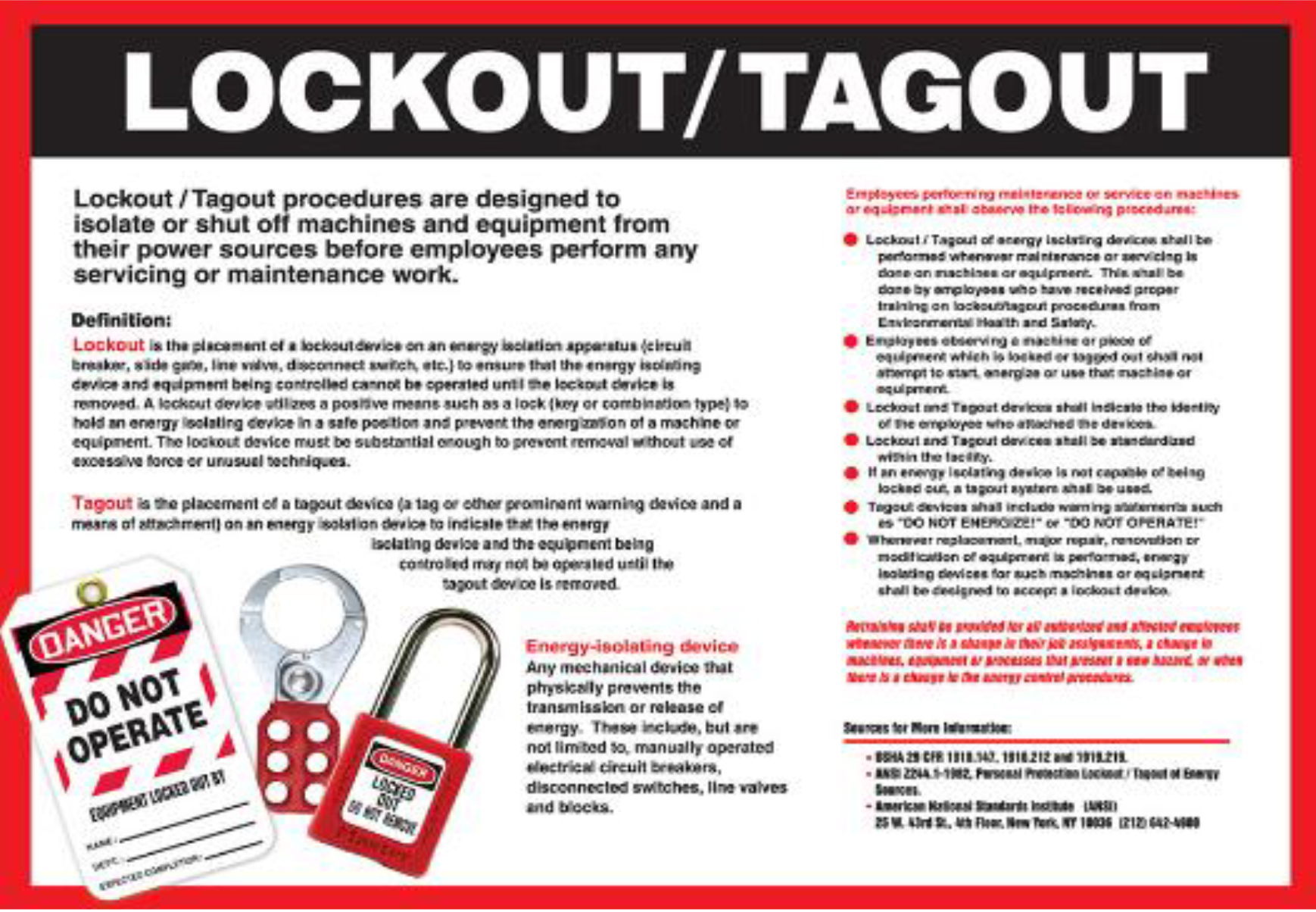
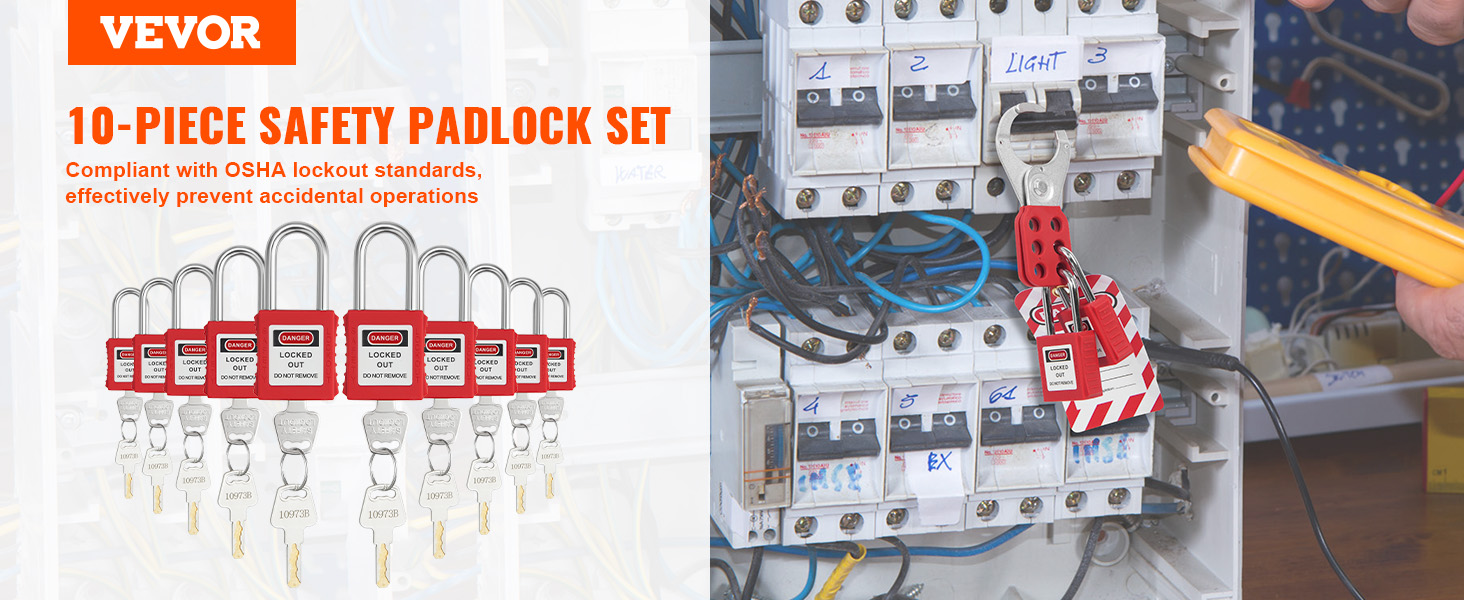
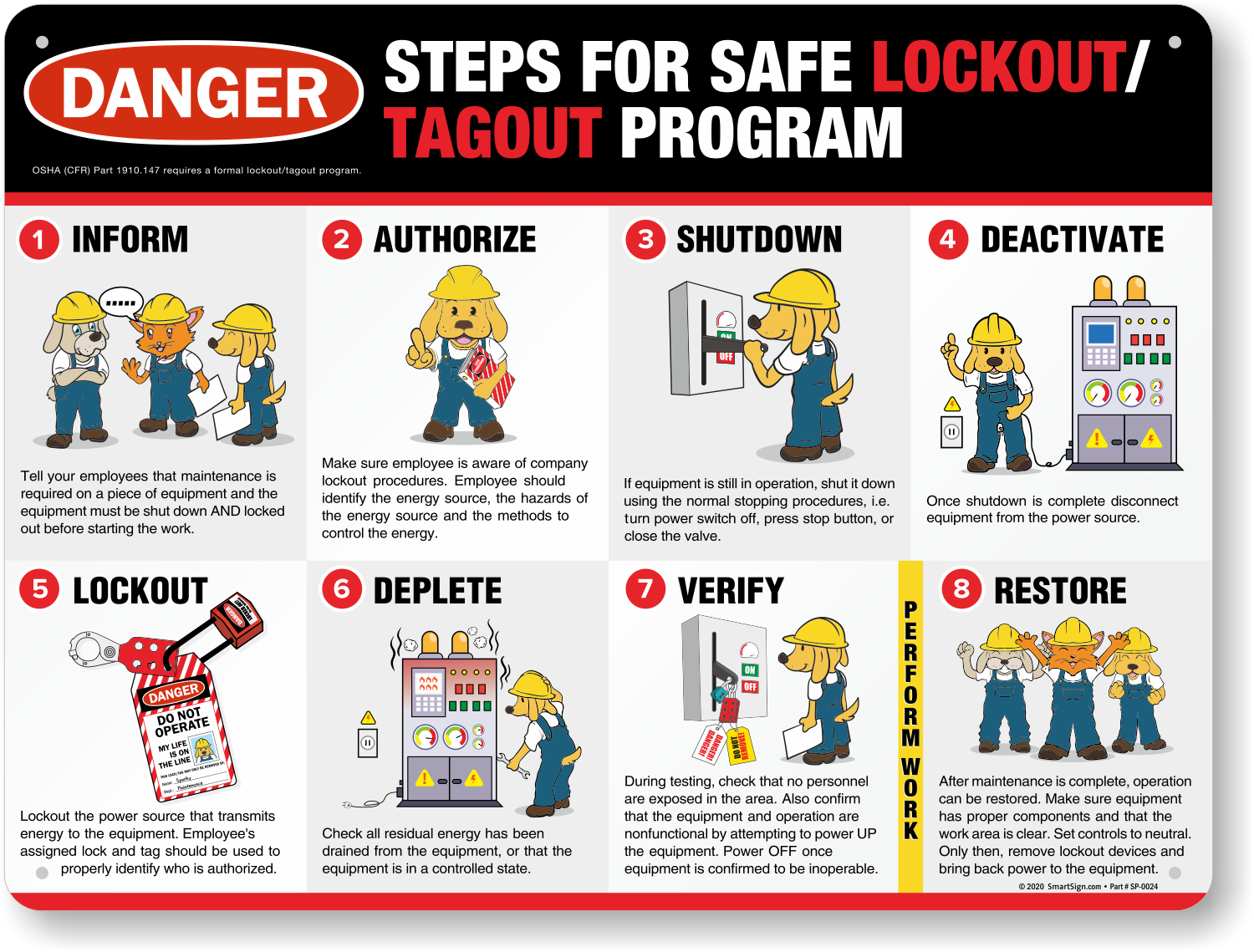
Use case: A manufacturing plant runs monthly lockout/tagout (LOTO) training. But weekly toolbox talks cover specific LOTO scenarios: - Isolating a hydraulic press - Dealing with multiple energy sources - What to do if a tag is damaged
Each talk strengthens recall and confidence. Workers don’t just memorize—they internalize.
This is especially crucial for high-turnover industries. Seasonal workers or subcontractors benefit from immediate, on-the-ground context that formal training often lacks.
Encourages a Proactive Safety Culture
Beyond reducing incidents, toolbox talks shape workplace culture. When safety conversations happen daily, they signal that safety matters—not just when auditors visit.
Organizations that run consistent talks report: - Higher near-miss reporting - More peer-to-peer safety corrections - Greater accountability across roles
Real-world example: A civil construction company noticed a 37% drop in recordable incidents within a year of standardizing daily toolbox talks. But the bigger win? Workers started stopping each other for minor PPE lapses—like missing safety glasses—without fear of backlash.
That kind of cultural shift doesn’t come from posters or penalties. It comes from repeated, authentic engagement.
Supports Compliance and Documentation
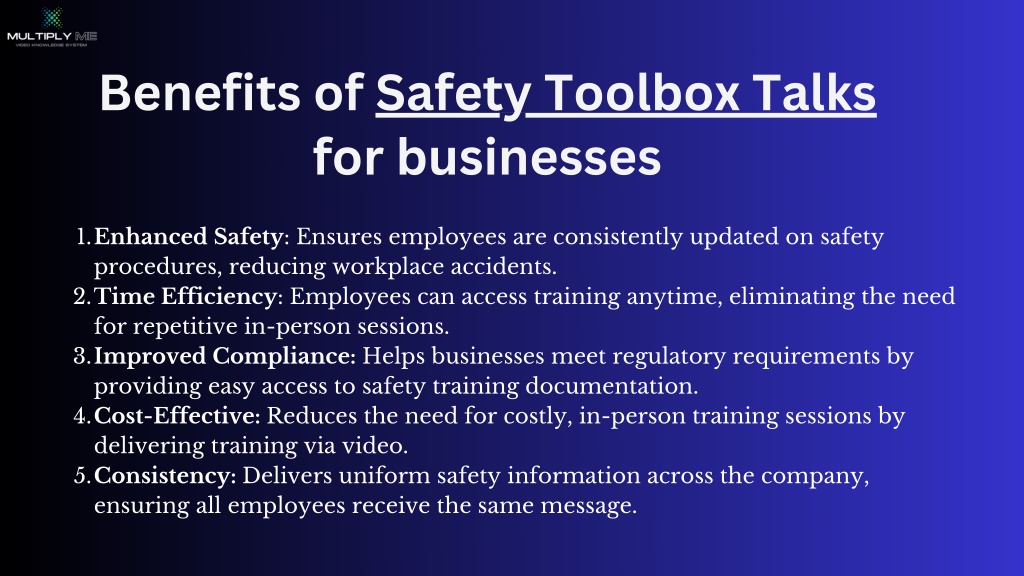
Yes, toolbox talks help meet OSHA, ANSI, and other regulatory standards. But their value isn’t just in compliance—it’s in creating defensible, documented proof of due diligence.
Example: During an OSHA inspection following a minor incident, the company provided signed attendance sheets and topics from the past 90 days. All showed recent discussions on the hazard involved. The inspector noted the organization’s “good faith effort” and issued no fines.
A well-documented toolbox talk program demonstrates: - Leadership commitment - Regular hazard communication - Employee engagement - Continuous improvement
Even if audits aren’t a concern, records help track trends. Repeated talks on ladder safety might reveal a need for better equipment or training—not just more reminders.
Practical Tips for Effective Toolbox Talks
Not all talks deliver results. Many fail because they’re rushed, irrelevant, or one-sided. Here’s how to run better ones:
1. Keep It Short and Focused Stick to one topic. Don’t cover “everything” in 10 minutes. Pick a specific hazard: “handling chemical spills in confined spaces,” not “general safety.”
2. Make It Visual Bring the actual tool, PPE, or show a photo of the work area. Visuals increase retention by up to 65%.
3. Rotate Facilitators Let experienced workers lead occasionally. They bring real-world insight and build leadership.
4. Use Real Incidents (Without Blame) Share anonymized near-misses: “Last week, a forklift almost clipped a worker in the warehouse. Here’s how we prevent that today.”
5. Document Smartly Use a simple form or digital tool to track:
- Date, location, topic
- Attendees
- Key discussion points
- Action items
Avoid over-documenting—paperwork shouldn’t kill momentum.
Common Pitfalls to Avoid
Even with good intent, many programs stall. Watch for these red flags:
- “Check-the-box” mentality: Talks happen only because “we have to,” not because they add value.
- Irrelevant topics: Discussing crane safety on a day with no crane work feels like wasted time.
- No follow-up: If issues are raised but never addressed, workers stop speaking up.
- Only top-down delivery: A monologue kills engagement.
Fix these by auditing talks quarterly: ask workers for feedback, review attendance, and assess action item closure.
Real-World Impact: A Manufacturing Case Study
A mid-sized automotive parts manufacturer had steady incident rates for years. After introducing structured weekly toolbox talks—facilitated by team leads, documented digitally, and reviewed monthly—changes emerged within months.
Results after one year: - 41% reduction in minor injuries - 28% increase in safety suggestion submissions - 16% improvement in safety audit scores - Near-universal attendance (97% average)
But the most telling sign? Workers started holding informal safety huddles on their own during shift changes.
Final Thoughts: Make Safety a Conversation, Not a Lecture
The power of a toolbox talk isn’t in its format—it’s in its frequency, relevance, and humanity. It turns safety from a policy into a practice, from a fear-based rule into a shared value.
You don’t need a big budget or advanced software. You need 10 minutes, a clear focus, and the willingness to listen.
Start tomorrow: pick one high-risk task, gather your team, and talk. Not to comply—but to connect.
FAQ
What should be included in a toolbox talk? A clear topic, real-time hazards, relevant procedures, PPE reminders, open discussion, and documentation of attendance and key points.
How often should toolbox talks be held? Ideally daily or before high-risk tasks. Weekly minimum for lower-risk environments. Frequency depends on job complexity and change in conditions.
Who should lead a toolbox talk? Supervisors or foremen typically lead, but experienced team members can facilitate to encourage ownership and varied perspectives.
Are toolbox talks required by OSHA? Not explicitly, but OSHA’s hazard communication and training standards strongly support regular safety talks as part of compliance.
Can toolbox talks reduce workers’ compensation costs? Yes. By preventing incidents, consistent talks can lower injury rates, which directly impacts insurance premiums and claims costs.
Should toolbox talks be documented? Yes. Documentation proves due diligence, tracks topics, and helps identify recurring issues needing systemic fixes.
Can toolbox talks be done remotely? For field or office teams, virtual talks work via video call—but on-site presence is ideal for visual context and engagement.
FAQ
What should you look for in Why Toolbox Talks Are a Game-Changer for Workplace Safety? Focus on relevance, practical value, and how well the solution matches real user intent.
Is Why Toolbox Talks Are a Game-Changer for Workplace Safety suitable for beginners? That depends on the workflow, but a clear step-by-step approach usually makes it easier to start.
How do you compare options around Why Toolbox Talks Are a Game-Changer for Workplace Safety? Compare features, trust signals, limitations, pricing, and ease of implementation.
What mistakes should you avoid? Avoid generic choices, weak validation, and decisions based only on marketing claims.
What is the next best step? Shortlist the most relevant options, validate them quickly, and refine from real-world results.