Political violence in the United States is no longer a fringe concern—it’s a recurring reality. From Capitol insurrections to targeted attacks on election officials, the nation is confronting a pattern of politically motivated violence that defies simple explanations. This isn’t about isolated incidents. It’s about a growing undercurrent that threatens civic stability.
The U.S. has long seen itself as immune to the kinds of political violence common in emerging democracies. Yet recent years have shattered that assumption. The events of January 6, 2021, were not an anomaly. They were a symptom of deeper societal fractures: ideological polarization, erosion of trust in institutions, and the normalization of extremism through digital and political channels.
Understanding this shift requires more than outrage. It demands honest analysis—of historical context, structural vulnerabilities, and the real human consequences when political rhetoric turns deadly.
The Changing Face of Political Violence
Political violence in America has evolved. It used to be rare, episodic, and often tied to specific movements—like violence linked to the civil rights era or anti-abortion extremism. Today, it’s more diffuse, decentralized, and ideologically diverse.
Modern manifestations include:
- Storming government buildings (e.g., Capitol riot, statehouse protests)
- Threats and harassment of elected officials, judges, and poll workers
- Militia mobilization under the guise of “patriotism”
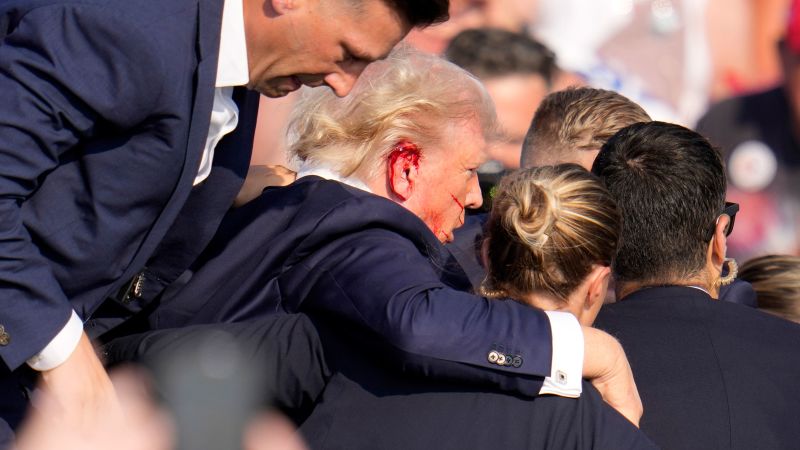
- Targeted attacks on political figures, such as the 2017 Congressional baseball shooting and the 2022 attack on Paul Pelosi
What’s changed is not just frequency but public tolerance. A growing segment of the population views violence as a legitimate response to perceived political illegitimacy. Polls show increasing acceptance of using force if “elections are stolen”—a dangerous belief when amplified by public figures.
Example: After the 2020 election, over 300 election workers reported receiving threats, according to the Brennan Center. One clerk in Georgia received death threats demanding she “correct the election results.” These aren’t abstract risks—they’re daily realities.
Historical Roots: Not as Exceptional as We Thought
The U.S. has a longer history of political violence than commonly acknowledged. From the violent suppression of Reconstruction to labor uprisings met with federal troops, political conflict has often turned bloody.
Consider:
- Bleeding Kansas (1854–1859): Pro- and anti-slavery militias clashed in a prelude to the Civil War.
- The Red Summer of 1919: White mobs attacked Black communities in over 30 cities, often with political motives tied to labor and civil rights gains.
- COINTELPRO operations: While state-led, these FBI actions blurred the line between surveillance and political violence against dissenters.
These episodes reveal a pattern: political violence flares when power is contested, especially across racial, ideological, or economic lines. The current era mirrors past moments of national stress—where institutions weaken, misinformation spreads, and armed groups take matters into their own hands.
Yet today’s context is different. Digital networks accelerate radicalization. A lone individual in Idaho can be radicalized by a viral video from Florida and act on it thousands of miles away. The scale and speed of influence are unprecedented.
The Role of Polarization and Misinformation
Polarization isn’t just about disagreement—it’s about dehumanization. When political opponents are seen as existential threats, violence becomes psychologically justifiable.

Studies show that affective polarization—the dislike of the other side—has sharply increased since the 1990s. People are more likely to say they’d oppose their child marrying someone from the opposing party than from a different race or religion.
This emotional divide is weaponized online. Algorithms reward outrage, and bad actors exploit it. False narratives—like “the 2020 election was stolen”—spread faster and deeper than facts.
Case in point: In 2022, a man drove from Texas to Washington, D.C., with explosives, targeting the Democratic National Committee headquarters. His social media history showed heavy consumption of conspiracy theories. He didn’t act in a vacuum—he was radicalized by a digital ecosystem that treats democracy as a battleground.
Misinformation doesn’t just mislead—it motivates. And when combined with access to weapons and a narrative of victimhood, it becomes a recipe for violence.
Who Carries Out Political Violence?
Political violence cuts across ideologies, but the patterns aren’t evenly distributed.
Recent data from the Center for Strategic and International Studies (CSIS) shows that since 2017, right-wing extremists have been responsible for the majority of deadly political attacks in the U.S. This includes white supremacists, anti-government militias, and radicalized individuals inspired by QAnon or separatist ideologies.
Left-wing violence, while less frequent in terms of fatalities, has included property destruction, assaults at protests, and harassment campaigns. Groups like Antifa have been labeled domestic terrorists by some officials, though actual lethal attacks tied to far-left ideologies remain statistically rare.
More concerning is the rise of lone actors—individuals who operate without formal group ties but are radicalized online. They’re harder to detect, less predictable, and often more lethal.
| Ideological Group | Notable Incidents | Frequency Since 2015 |
|---|---|---|
| Far-right / White Supremacist | Charleston church shooting, El Paso Walmart attack | High |
| Militia / Anti-Government | Capitol riot, Michigan governor kidnapping plot | High |
| Far-left / Anarchist | Property damage, protest clashes | Low (in terms of fatalities) |
| Religious Extremist | Abortion clinic attacks | Moderate |
| Lone Actor (ideologically mixed) | Targeted assassinations, planned attacks | Increasing |
This isn’t about assigning blame to entire political parties. It’s about recognizing which movements and narratives are most closely tied to violence—and why.
Institutional Erosion and the Normalization of Threats
One of the most insidious trends is the normalization of political violence by those in power.
When elected officials:
- Refuse to condemn violent supporters
- Use dehumanizing language (“vermin,” “traitors”)
- Promote false claims of election fraud
- Encourage citizens to “monitor” polling places at gunpoint
—they create space for violence to flourish.
Example: After the 2020 election, a Republican candidate in New Mexico ran on a platform that included arming poll watchers. He later posted a video showing himself with an AR-15, saying, “We will protect the ballot box.” This wasn’t fringe rhetoric—it was campaign messaging.
Law enforcement and intelligence agencies are struggling to respond. The FBI has increased domestic terrorism investigations, but political interference, legal limits, and public distrust hamper efforts. Local police often lack training to handle ideologically motivated threats.
Meanwhile, victims—especially local election workers—are left vulnerable. Many have quit their jobs. Some have gone into hiding. The human cost is real, and it’s silencing civic participation.
Geographic and Demographic Hotspots
Political violence isn’t evenly distributed. It clusters in areas with:
- High levels of economic distress
- Declining trust in institutions
- Concentrated access to firearms
- Active extremist networks
States like Michigan, Arizona, and Texas have seen repeated incidents—from militia activity to threats against school board members debating curriculum changes.
Urban-rural divides play a role. Rural areas, feeling left behind, are more susceptible to narratives of cultural displacement. Cities see more protest-related violence, often during heated demonstrations.
Demographically, perpetrators are overwhelmingly male, often under 35, and increasingly diverse in background—though white males still dominate the data. What they share is a sense of grievance, often fueled by online communities that validate their anger.
Breaking the Cycle: What Can Be Done?
There’s no single solution, but effective strategies exist.
1. Combat Misinformation Without Censorship Platforms must limit the spread of demonstrably false claims—especially around elections—without suppressing free speech. This means transparency in algorithms, faster fact-checking, and clear labeling of harmful content.
2. Protect Public Servants Election workers, judges, and officials need security training, legal protection, and mental health support. Some states now offer threat assessment units for local officials—a model worth expanding.
3. Strengthen Community Resilience Local programs that connect people across political lines—like dialogue circles or civic forums—can reduce polarization. Trust is rebuilt locally, not nationally.
4. Enforce Legal Accountability Prosecuting violent acts without politicizing justice is essential. When violence is used to overturn election results, it must be treated as an attack on democracy itself.
5. Reform Gun Access for High-Risk Individuals Extreme Risk Protection Orders (ERPOs), or “red flag” laws, allow temporary firearm removal from individuals deemed a threat. As of now, only 21 states have them. Expanding access could prevent attacks.
Conclusion: A Democracy Under Strain
Examining political violence in the U.S. isn’t about fearmongering—it’s about prevention. The warning signs are visible: rising threats, eroding norms, and a culture where political opponents are seen as enemies.
But democracies can recover. They do so by reinforcing institutions, protecting civic space, and rejecting the idea that violence is a tool of political change.
The path forward requires vigilance, not despair. It demands that citizens, leaders, and institutions take threats seriously—before the next attack makes headlines.
Start by speaking up when rhetoric turns dangerous. Support election workers. Question viral claims. Stay engaged without surrendering to outrage.
The health of American democracy depends not on perfection, but on resilience.
FAQ
What defines political violence in the U.S.? Acts intended to influence political outcomes through fear or force, including attacks on officials, election interference by threat, or destruction of government property.
Has political violence increased in recent years? Yes. Data shows a rise in threats, plots, and actual violence since 2016, particularly following contested elections.
Are both political sides equally involved? No. Most fatal attacks are linked to right-wing extremism, though harassment and lower-level violence occur across the spectrum.
How does social media contribute? Platforms amplify extremist content, enable rapid radicalization, and create echo chambers where violence is normalized.
Who is most at risk of being targeted? Local election workers, public health officials, school board members, and political candidates—especially women and minorities.
Can laws prevent political violence? Laws help, but enforcement and cultural norms matter more. Red flag laws, threat prosecution, and platform accountability are key tools.
What can ordinary citizens do? Report threats, support at-risk public servants, challenge extremist rhetoric in your circles, and stay informed through credible sources.
FAQ
What should you look for in Examining Political Violence in the U.S. Beyond the Headlines? Focus on relevance, practical value, and how well the solution matches real user intent.
Is Examining Political Violence in the U.S. Beyond the Headlines suitable for beginners? That depends on the workflow, but a clear step-by-step approach usually makes it easier to start.
How do you compare options around Examining Political Violence in the U.S. Beyond the Headlines? Compare features, trust signals, limitations, pricing, and ease of implementation.
What mistakes should you avoid? Avoid generic choices, weak validation, and decisions based only on marketing claims.
What is the next best step? Shortlist the most relevant options, validate them quickly, and refine from real-world results.