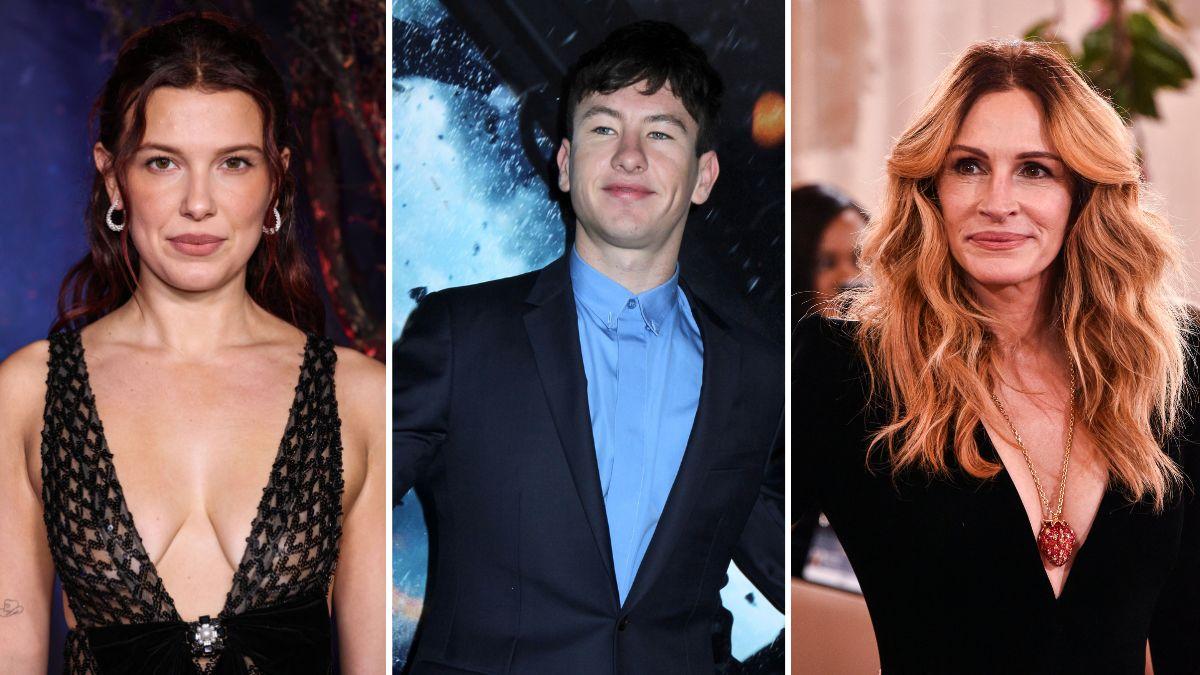
The red carpet glow hides a darker truth. Behind the designer gowns, magazine covers, and billion-dollar franchises, A-list actors endure a relentless stream of online abuse—much of it focused on their physical appearance. From body-shaming to cruel Photoshop edits, the trolling machine doesn’t discriminate by fame or fortune. In fact, the bigger the star, the more vicious the attacks.
Recent years have seen a surge in celebrities breaking their silence about the psychological toll of being mocked, ridiculed, and dehumanized online. What once happened behind closed studio doors now plays out in real time across social media, where anonymity fuels cruelty and algorithms amplify hate. This isn’t just gossip—it’s a mental health crisis disguised as entertainment.
The Ugly Side of Fame: When Public Scrutiny Crosses the Line
Being famous has always meant living under a microscope. But the digital age transformed that scrutiny into something far more invasive. Before smartphones and viral memes, tabloids could speculate—but their reach was limited. Today, anyone with a Wi-Fi connection can launch a global smear campaign with a single tweet.
Take Scarlett Johansson. In a 2022 interview, she revealed how years of being called “too flat-chested” or “not feminine enough” chipped away at her self-worth—even as she headlined blockbusters. “People assume because you’re on screen, you’re immune,” she said. “But when a million strangers tell you you’re ugly, it starts to feel true.”
Or consider Chris Hemsworth. Despite embodying the ideal of masculinity as Thor, he’s been mocked for aging, for his hairline, even for his jaw structure. “It’s absurd,” he admitted. “One day I’m a superhero, the next I’m ‘looking like a middle-aged dad at a barbecue.’”
These aren't isolated jabs. They’re part of a broader pattern: the systematic degradation of celebrities’ appearances as a form of public sport.
The Role of Social Media Platforms
Platforms like Instagram, X (formerly Twitter), and TikTok reward engagement—not truth or kindness. A cruel edit of a celebrity’s face or a meme about their weight spreads faster than any apology or correction. Algorithms prioritize outrage, shock, and controversy.
Worse, celebrities often can’t respond. Engaging with trolls gives them oxygen. Ignoring them means the abuse festers unchecked. Many stars report hiring extra staff just to monitor and filter online comments—some receive thousands of hateful messages daily.
Body-Shaming as a Weapon: The Gendered Double Standard
While both men and women face appearance-based trolling, women in Hollywood endure a more calculated, relentless form of body-shaming.
Actresses are expected to be ageless, flawless, and perpetually “camera-ready.” Any deviation—weight gain, natural aging, or even a different hairstyle—triggers a firestorm.
The Case of Rebel Wilson
Rebel Wilson has been one of the most vocal about the hypocrisy in Hollywood beauty standards. Once mocked for her size in films and media, she later faced backlash when she lost weight—accused of “abandoning body positivity.”
“I was bullied for being too big,” she said. “Now I’m bullied for losing weight. There’s no winning.”
Her experience underscores a deeper issue: no matter what a woman does with her body, someone will weaponize it against her.
Lupita Nyong’o and the Colorism Trolling
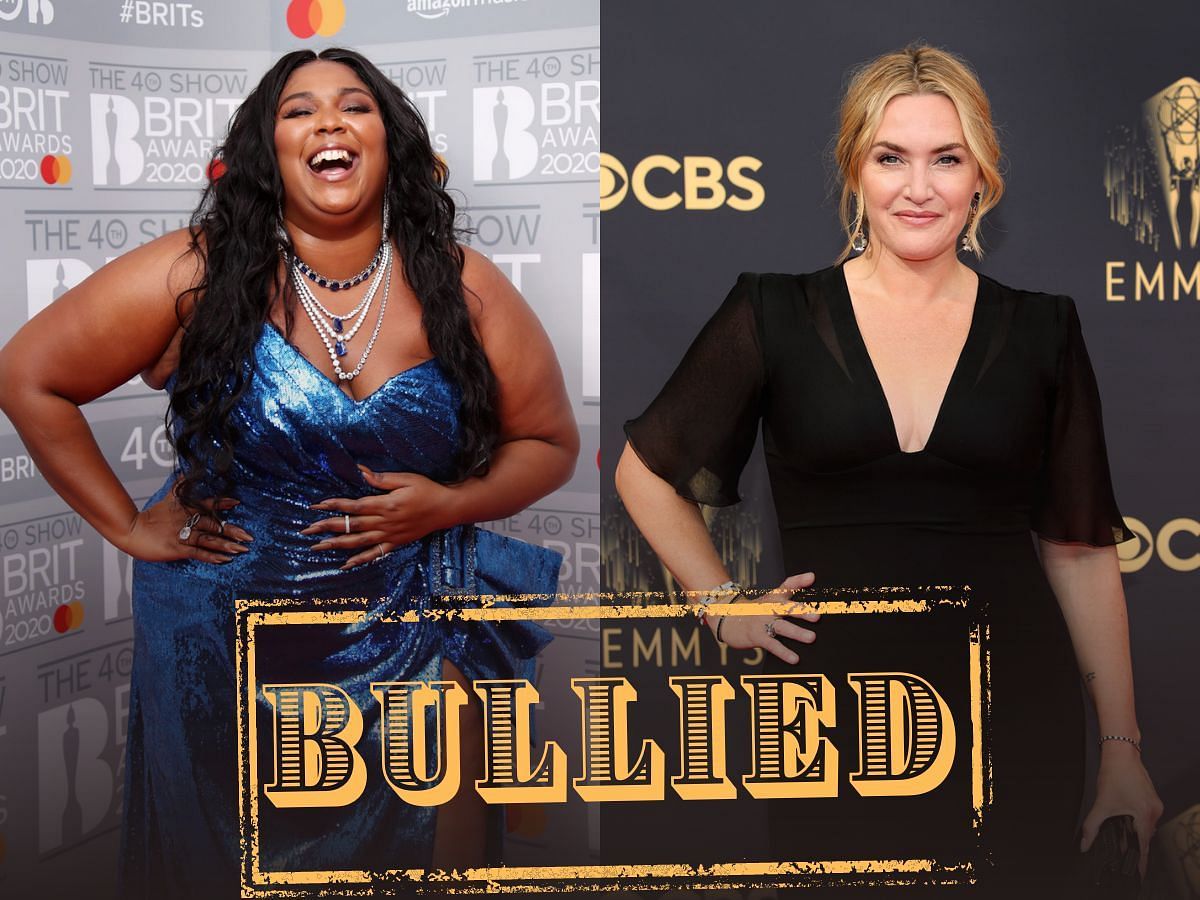
Even Oscar winners aren’t immune. Lupita Nyong’o, celebrated for her beauty and talent, has faced racist trolling focused on her skin tone. Trolls have Photoshopped her to appear lighter, circulated edited images with bleached skin, and left comments claiming she’s “too dark” for leading roles.
She responded with grace but firmness: “I refuse to be defined by the narrow standards of beauty that exclude millions of people.”
Yet, the damage is cumulative. Studies show that repeated exposure to negative online comments—especially appearance-based ones—can lead to anxiety, depression, and disordered eating, even in emotionally resilient individuals.
The Psychological Toll: When Trolling Turns Traumatic
Celebrities aren’t just annoyed by trolling—they’re traumatized by it.
Research from the USC Annenberg Inclusion Initiative found that 42% of high-profile women in entertainment have considered leaving the industry due to online harassment. Many report sleep disturbances, panic attacks, and a constant sense of surveillance.
The Breaking Point: Amanda Seyfried’s Withdrawal
Amanda Seyfried stepped back from social media after years of invasive body commentary. “I’d post a photo in jeans, and strangers would dissect my thighs like it was their right,” she said. “I realized I wasn’t living—I was performing for an audience that only wanted to criticize.”
She’s not alone. Channing Tatum, Jennifer Lawrence, and Emma Watson have all deleted or deactivated social media accounts due to harassment.
The Myth of “Just Ignoring It”
The common advice—“just ignore the trolls”—is dangerously naive. Neuroscience shows that human brains are wired to give more weight to negative feedback than positive. A single hateful comment can outweigh dozens of compliments.
And when that comment comes from thousands? It becomes a psychological barrage.
Behind the Curtain: How Studios and PR Teams Handle the Fallout
Studios rarely acknowledge the mental health toll of online harassment—because addressing it might imply vulnerability. Instead, they rely on damage control.
PR teams now include “digital reputation managers” whose job is to suppress negative headlines, flood search results with positive content, and, in extreme cases, issue legal threats to persistent harassers.
Some agencies even run “anti-trolling” simulations—training actors to anticipate and deflect personal attacks during press tours.
But these measures treat symptoms, not causes. They don’t stop the abuse. They just help stars survive it.
The Role of Fan Armies
On the flip side, organized fan groups—like “Swifties” or “Barden Bellas stans”—often act as first responders, reporting abusive accounts and flooding comment sections with support.
While helpful, this can backfire. Aggressive fan behavior sometimes escalates conflicts, turning celebrity defense into online warfare.
When Trolling Turns Real: Threats, Doxxing, and Legal Action For some stars, trolling crosses into criminal territory.
Doxxing—publishing private information like home addresses or phone numbers—is increasingly common. In 2023, actor Zoë Kravitz had to file a restraining order after a troll showed up outside her home, claiming he “knew what she really looked like.”
Others face violent threats. Florence Pugh received detailed messages describing how she would be “silenced” for speaking out about industry sexism.
While some cases lead to arrests, most trolls operate across international borders, making prosecution difficult.
Celebrities Who’ve Sued
A growing number are fighting back legally: - Gina Rodriguez sued an Instagram account for circulating manipulated images that mocked her appearance. - Michael B. Jordan took legal action against a website that created deepfake videos “proving” he’d had plastic surgery. - Millie Bobby Brown won a case against a troll who created a fake account impersonating her to spread self-harm content.
These lawsuits send a message—but they’re expensive, emotionally draining, and rarely deter the broader culture of online abuse.
The Irony of Hollywood’s Beauty Standards
Here’s the cruelest twist: many of the people trolling celebrities are mimicking studio-created narratives.
For decades, Hollywood has profited from surgically enhanced images—airbrushed magazine covers, filtered red carpet photos, roles cast based on looks over talent. Then, when stars age naturally or deviate from the mold, they’re punished for it.
Actors like Renée Zellweger, who returned to the spotlight after a visible transformation, were eviscerated—not just by fans, but by media outlets owned by the same studios that pressured her to “stay camera-ready.”
The system creates the standard, then punishes those who can’t—or won’t—meet it.
What Can Be Done? Real Solutions in a Broken System
No single fix will erase online trolling. But meaningful steps can reduce its impact:
1. Platform Accountability Social media companies must prioritize user safety over engagement metrics. That means: - Faster removal of hate speech and deepfakes - Stricter verification to limit anonymous abuse - Algorithms that don’t reward outrage
2. Industry Responsibility Studios should:
- Offer mental health support specifically for online harassment
- Stop casting based solely on appearance
- Publicly back stars who speak out against trolling
3. Public Awareness Fans need to understand that every like, share, or laugh at a cruel meme fuels the cycle. Calling out bullying—even in “jokes”—matters.
4. Legal Reform Laws need to catch up. Many countries lack clear statutes on cyber-harassment, especially when it targets public figures. Stronger international cooperation is essential.
A Culture in Need of a Reckoning
The stories of these A-listers aren’t just about fame. They’re about humanity.
When we reduce people to their looks—especially in a hyper-visible industry like Hollywood—we strip them of dignity. And when we laugh at memes that mock aging, weight, or skin tone, we normalize cruelty.
The celebrities speaking out aren’t seeking pity. They’re demanding accountability.
Their message is clear: no one, not even an Oscar winner, should have to endure relentless bullying just for existing in the public eye.
It’s time the rest of us listened.
Actionable Takeaway Next time you see a viral post mocking a celebrity’s appearance, ask: Would I say this to their face? If not, don’t amplify it. Silence can be complicity. Be better.
FAQ
Why do celebrities get bullied more online than other public figures? Celebrities are visual icons—their looks are part of their brand. This makes them easy targets for appearance-based trolling, especially when audiences feel entitled to commentary.
Can online trolling lead to real-world harm? Yes. Persistent harassment has led to anxiety, depression, self-harm, and in extreme cases, doxxing or stalking. The emotional toll is real and measurable.
Do celebrities ever respond to trolls directly? Some do—like Jameela Jamil, who regularly calls out body-shamers. But most avoid it, as engagement often fuels more abuse.
Is body-shaming in Hollywood getting worse? While awareness is growing, the scale of abuse has increased with social media. Viral memes and deepfakes have made shaming faster and more damaging.
Are men in Hollywood targeted as much as women? Men face trolling too—especially over hair loss or weight—but women endure more frequent, gendered, and sexualized abuse.
Can legal action stop online bullying? Sometimes. High-profile lawsuits can deter individuals, but systemic change requires platform and policy reform.
What can fans do to help? Report abusive content, support positive narratives, and challenge jokes that mock appearances. Collective action shifts culture.
FAQ
What should you look for in Hollywood Trolling Horror: A-Listers Reveal Relentless Bullying? Focus on relevance, practical value, and how well the solution matches real user intent.
Is Hollywood Trolling Horror: A-Listers Reveal Relentless Bullying suitable for beginners? That depends on the workflow, but a clear step-by-step approach usually makes it easier to start.
How do you compare options around Hollywood Trolling Horror: A-Listers Reveal Relentless Bullying? Compare features, trust signals, limitations, pricing, and ease of implementation.
What mistakes should you avoid? Avoid generic choices, weak validation, and decisions based only on marketing claims.
What is the next best step? Shortlist the most relevant options, validate them quickly, and refine from real-world results.