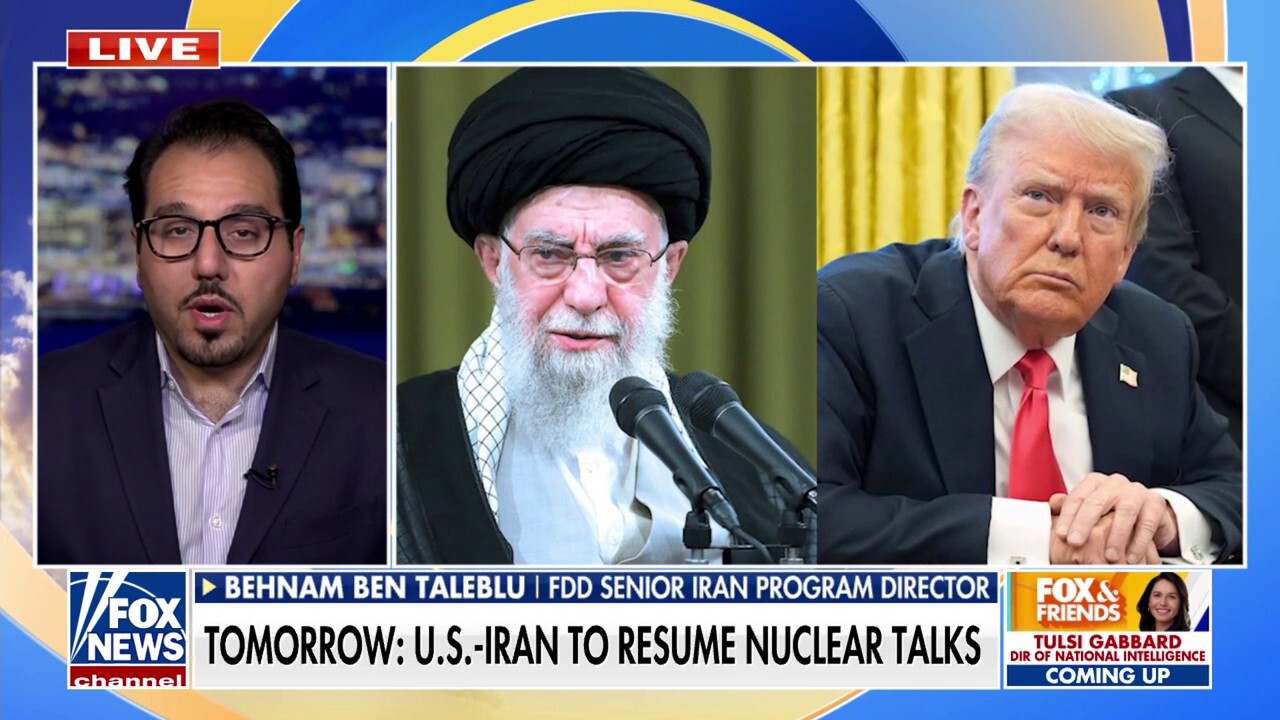
Iran’s foreign policy has entered a new phase of aggressive diplomacy. Over recent months, Tehran has dispatched envoys across Asia, Europe, and Africa, reactivating dormant alliances and forging new partnerships. This diplomatic flurry coincides with former President Donald Trump’s repeated assertions that the U.S. “holds all the cards” in dealing with Iran. The contrast is stark: one nation seeking to expand its global leverage through dialogue, the other doubling down on coercion. But beneath the surface, both moves reflect a shared calculation—how to dominate a rapidly shifting geopolitical landscape.
This is not mere diplomacy for diplomacy’s sake. Iran’s outreach is a direct response to years of isolation, economic suffocation from U.S. sanctions, and regional setbacks. Trump’s rhetoric, meanwhile, echoes his 2017–2021 “maximum pressure” campaign, suggesting a preference for unilateral strength over multilateral engagement. The clash of strategies raises urgent questions: Can Iran break out of containment through diplomacy? And does the U.S. truly hold decisive leverage—or is it overplaying its hand?
The Scope of Iran’s Diplomatic Offensive
Iran’s recent engagements extend far beyond traditional allies. In quick succession, Tehran has secured high-level talks with China, India, Russia, and several Central Asian republics. Notably, Foreign Minister Hossein Amir-Abdollahian visited Malaysia and Indonesia—non-Arab Muslim-majority nations historically neutral in Gulf politics. These visits weren’t symbolic; they resulted in trade agreements, energy cooperation pacts, and plans for joint infrastructure projects.
What’s more telling is Iran’s push to normalize ties with regional rivals. The China-brokered rapprochement with Saudi Arabia in 2023 was just the beginning. Since then, Iran has quietly reengaged with the UAE, facilitated prisoner swaps with Oman, and explored backchannel talks with Israel through third parties. This isn’t reactive diplomacy—it’s a coordinated effort to dilute U.S. influence in the Middle East.
Key Moves in Iran’s Diplomacy Push: - Revived nuclear negotiations with European powers through the JCPOA framework - Expanded military cooperation with Russia, including drone supply and intelligence sharing - Strengthened economic ties with China under the 25-year strategic agreement - Reopened embassies in Arab states, including Egypt and Jordan - Hosted regional security talks positioning Iran as a mediator, not just a belligerent
These moves signal a shift from isolation to integration. Iran is no longer just surviving under sanctions—it’s building alternatives to the Western-dominated order.
Trump’s “We Have the Cards” Doctrine
Donald Trump’s assertion that the U.S. “has the cards” draws from his administration’s playbook: unilateral sanctions, military posturing, and transactional diplomacy. During his term, the U.S. withdrew from the Iran nuclear deal, imposed crushing oil and banking sanctions, and assassinated Qasem Soleimani—a move meant to cripple Iran’s regional reach.
From Trump’s perspective, these actions weakened Iran economically and strategically. U.S. officials under his administration argued that without access to global markets, Tehran would have no choice but to negotiate on American terms. This belief persists in his current rhetoric: that pressure, not dialogue, forces concessions.
But the doctrine has limitations. Sanctions have failed to collapse the Iranian regime. Instead, they’ve accelerated its pivot toward non-Western partners. Iran now sells oil to China at steep discounts, bypassing traditional shipping and banking channels. Its missile and drone programs continue advancing. And its influence in Iraq, Syria, and Yemen remains entrenched.
Trump’s claim also overlooks a key reality: the “cards” are no longer held solely by Washington. Global multipolarity means countries like India, Turkey, and South Africa can—and do—engage Iran without U.S. approval. The idea that the U.S. controls the deck assumes a level of global compliance that no longer exists.

Diplomacy vs. Coercion: Competing Strategies in Practice
The current moment pits two models of statecraft against each other. Iran chooses diplomacy as both survival mechanism and expansion strategy. The U.S., under Trump’s vision, relies on dominance through deterrence.
Consider the case of Venezuela. Iran has sent fuel, technical advisors, and even mobile refineries to Caracas, circumventing U.S. sanctions on both nations. In return, Venezuela offers political support and shared anti-American solidarity. This isn’t charity—it’s a barter system outside the dollar-based economy.
Meanwhile, Trump’s approach to Venezuela has been to tighten sanctions, recognize opposition leaders, and threaten military intervention. The result? A prolonged stalemate. Nicolás Maduro remains in power, and U.S. influence has waned.
Another example is Lebanon. Iran funds and arms Hezbollah, giving it outsized influence in Lebanese politics. Diplomatic outreach allows Iran to frame itself as a “stabilizing” force, especially during economic collapse. The U.S., by contrast, labels Hezbollah a terrorist organization and cuts aid to any government that includes its members. The effect? Iran fills the vacuum; the U.S. gets sidelined.
These cases reveal a pattern: coercion may impose costs, but it rarely reshapes behavior. Diplomacy, even when transactional, builds networks of dependency and influence.
The Role of China and Russia
No analysis of Iran’s diplomatic surge is complete without examining its alignment with Beijing and Moscow. China has emerged as Iran’s most important economic partner. The 2021 strategic agreement commits China to $400 billion in investments over 25 years, in exchange for preferential oil access. More than money, it gives Iran a shield against U.S. financial pressure.
Russia, meanwhile, has become a military and intelligence collaborator. Iranian drones have been used in Ukraine, reportedly with Russian modifications. In return, Iran gains access to advanced electronic warfare systems and satellite intelligence. This partnership is tactical, not ideological—but it’s mutually reinforcing.
Critically, both China and Russia oppose U.S. hegemony. By deepening ties with them, Iran isn’t just seeking relief from sanctions—it’s aligning with a broader anti-Western bloc. This reduces the effectiveness of Trump’s “cards” argument. When multiple powers challenge U.S. dominance, the deck is no longer stacked in Washington’s favor.
Regional Implications: A New Middle East Balance?
Iran’s diplomacy is reshaping regional power dynamics. The Arab-Israeli normalization wave (Abraham Accords) was meant to isolate Iran. Instead, it’s prompted Tehran to adapt—by normalizing with Sunni powers on its own terms.
The Saudi-Iran detente, brokered by China, stunned observers. It showed that Gulf states prioritize stability over ideological rivalry. For Saudi Arabia, ending proxy conflicts with Iran means focusing on economic reform and reducing military exposure. For Iran, it means escaping encirclement.
Even Israel, a staunch U.S. ally, has signaled indirect openness. While publicly hostile, Israeli officials have acknowledged that containment hasn’t stopped Iran’s nuclear progress. Some analysts suggest backchannel talks may be underway. This doesn’t mean peace is imminent, but it suggests that unilateral pressure hasn’t achieved its goal.
The broader trend? Regional actors are pursuing their own interests, not lining up behind U.S. strategy. Iran’s diplomacy exploits this fragmentation, offering cooperation without ideological preconditions.
Can Trump’s Strategy Still Work?
Trump’s “maximum pressure” approach had one undeniable success: it brought Iran to the negotiating table in 2019–2020. But it failed to secure a broader deal, and the regime didn’t collapse. Today, the context has changed. Iran is more entrenched, more diversified in its partnerships, and less dependent on Western goodwill.

For Trump’s strategy to work now, it would require near-total global compliance with U.S. sanctions—a near impossibility. India buys Iranian oil. Turkey trades with Iran. Even European banks quietly facilitate transactions. The sanctions architecture is full of leaks.
Moreover, Iran’s economy has adapted. It uses barter, cryptocurrencies, and informal hawala networks to move value. Its domestic drone and missile industries thrive on reverse engineering and indigenization. Sanctions slow progress—they don’t stop it.
The real weakness of Trump’s approach is its lack of off-ramps. When the only tool is pressure, every problem looks like a nail. But diplomacy requires incentives, not just threats. Without a path to sanctions relief or security guarantees, Iran has little reason to make major concessions.
A Realistic Path Forward
Neither pure diplomacy nor pure coercion will resolve the U.S.-Iran standoff. A sustainable strategy must combine both.
Iran’s flurry of diplomacy shouldn’t be dismissed as mere propaganda. It reflects a genuine effort to break isolation and build alternatives. But it also reveals vulnerabilities—Tehran wouldn’t be reaching out so aggressively if sanctions weren’t biting.
The U.S. does hold leverage, but it’s not absolute. Sanctions, military capacity, and alliance networks are powerful assets. But they’re most effective when paired with diplomacy, not used in isolation.
A realistic approach would involve: - Reviving a modified nuclear deal with stricter verification and sunset clauses - Offering phased sanctions relief tied to verifiable actions - Engaging regional powers (Saudi Arabia, UAE, Turkey) in inclusive security talks - Countering Iran’s drone proliferation through technology and export controls - Using diplomatic backchannels to manage crises and prevent escalation
This isn’t appeasement—it’s strategic engagement. It recognizes that Iran will continue building influence unless presented with a better alternative than resistance.
Closing: Strategy Over Slogans
Iran’s diplomatic surge is not a sign of weakness—it’s a sign of adaptability. Trump’s insistence that the U.S. “has the cards” sounds confident, but it risks mistaking leverage for control. In a multipolar world, power is relational, not absolute.
The path forward isn’t louder rhetoric or harsher sanctions. It’s smart, condition-based diplomacy that acknowledges both U.S. strengths and Iranian agency. The goal shouldn’t be regime change or total dominance, but managed competition and risk reduction.
For policymakers and observers alike, the takeaway is clear: strategy beats slogans. And in the long game of global influence, endurance trumps bluster.
FAQ
Why is Iran suddenly engaging in so much diplomacy? Iran is responding to years of isolation and economic strain. By building alliances with non-Western powers and reengaging regional neighbors, it aims to reduce dependency on any single partner and counter U.S. pressure.
Does Trump’s “maximum pressure” strategy still have leverage? It retains some leverage—sanctions still hurt Iran’s economy—but its effectiveness is diminished by global non-compliance and Iran’s adaptation through alternative trade and alliances.
How has China influenced Iran’s diplomatic moves? China has acted as a mediator (e.g., Saudi-Iran détente) and key economic partner, offering Iran a shield against U.S. sanctions and a long-term strategic alliance through investment and trade.
Can diplomacy with Iran succeed where coercion failed? Only if it’s reciprocal. Past talks collapsed due to lack of trust and follow-through. Success requires verifiable steps from Iran and credible incentives from the U.S. and allies.
Is Iran’s outreach to Arab states genuine? It’s pragmatic, not sentimental. Regional rivalries persist, but shared concerns—economic instability, U.S. unpredictability—make cooperation more appealing than perpetual conflict.
What role do Russian-Iranian military ties play? They’re mutually beneficial: Iran supplies drones and gains intelligence access; Russia gains tactical assets for Ukraine and strengthens its anti-Western coalition.
How can the U.S. respond without escalating conflict? By combining targeted sanctions with diplomatic engagement, supporting regional dialogue, and offering phased incentives tied to concrete Iranian actions on nuclear and missile programs.
FAQ
What should you look for in Iran’s Diplomatic Surge Amid Trump’s Hardline Posture? Focus on relevance, practical value, and how well the solution matches real user intent.
Is Iran’s Diplomatic Surge Amid Trump’s Hardline Posture suitable for beginners? That depends on the workflow, but a clear step-by-step approach usually makes it easier to start.
How do you compare options around Iran’s Diplomatic Surge Amid Trump’s Hardline Posture? Compare features, trust signals, limitations, pricing, and ease of implementation.
What mistakes should you avoid? Avoid generic choices, weak validation, and decisions based only on marketing claims.
What is the next best step? Shortlist the most relevant options, validate them quickly, and refine from real-world results.